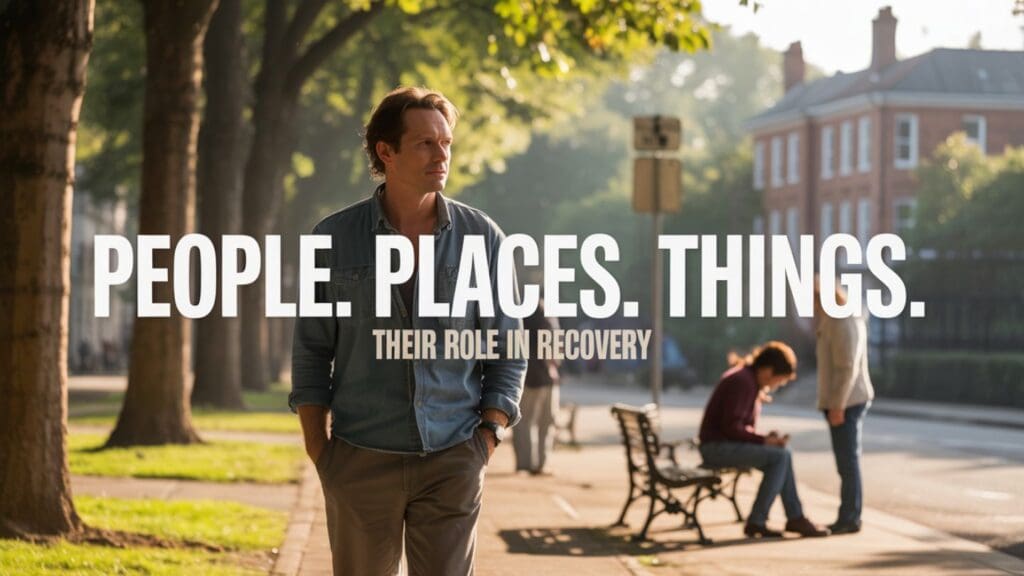


Recovery from addiction is not a single event, it’s an evolving journey shaped by choices, environments, and the relationships that surround you. For anyone who has walked the path of addiction treatment and sobriety, one thing becomes clear: the people, places, and things in your daily life profoundly influence your ability to maintain recovery and build lasting stability.
Understanding the role of people, places, and things in addiction recovery is essential for creating a foundation that supports long-term healing. Recognizing the effects of people, places, and things in your recovery allows you to make mindful choices that strengthen sobriety and emotional resilience.
When beginning the addiction recovery process, it’s often said that connection is the opposite of addiction. This highlights why people, places, and things matter in recovery—because the company you keep and the relationships you nurture can either reinforce your healing or challenge your progress. The relationships you form and maintain during this time can significantly impact your emotional resilience and mental health. Positive connections with others who understand recovery help reinforce accountability and compassion, two cornerstones of sobriety.
Supportive friends, family, sponsors, and mentors serve as an emotional anchor, especially in early recovery. They encourage when difficult emotions arise and celebrate milestones that reinforce your sense of accomplishment. Participating in group therapy or recovery meetings creates opportunities to connect with others who share similar experiences, reducing isolation and strengthening your commitment to sobriety.
However, it’s equally important to recognize the risks associated with unhealthy influences. People from your past who still engage in substance use or destructive behavior can unintentionally become relapse triggers. Part of developing effective relapse prevention strategies involves setting boundaries and, in some cases, reevaluating relationships that no longer align with your recovery goals. Surrounding yourself with individuals who encourage progress rather than temptation is a vital component of emotional healing.
The environment you choose directly influences your mindset and behavior. Exploring the psychology of sober living offers clarity into how physical and social surroundings can profoundly impact recovery success. A new, healthy environment provides the chance to redefine your life on your own terms. Many individuals transitioning out of inpatient rehab find strength and stability in sober living homes or structured recovery housing, where accountability and daily structure foster consistent progress. These environments support the development of healthy coping mechanisms while minimizing exposure to potential triggers.
Choosing new, positive environments, such as fitness centers, community volunteer programs, or creative workshops, can also help fill your time with meaningful activities that reinforce sobriety. The right environment promotes both mental health and physical wellness, two key aspects of sustained recovery.
Beyond people and places, the “things” in your life, your routines, possessions, and even habits, play a subtle yet powerful role in your recovery. Particular objects or routines from your past may be associated with substance use, making it crucial to identify and replace them with healthier alternatives.
For example, if weekends once revolved around social drinking or drug use, incorporating new hobbies or interests, such as exercise, art, or mindfulness practices, can help fill that space with purpose and satisfaction. Developing new habits not only supports relapse prevention but also gives structure and meaning to your everyday life.
The “things” you surround yourself with, such as motivational books, affirmations, and sober living routines, act as visual reminders of your commitment to change. Creating a home or living space that reflects peace and positivity can make an enormous difference in maintaining emotional balance throughout recovery. Exploring how meditation and mindfulness support addiction recovery helps many individuals stay grounded, manage stress, and reinforce a healthier mental state during the recovery journey.

Addiction recovery is as much about mental and emotional transformation as it is about physical healing. The environment in which recovery takes place should foster both comfort and accountability. Stressful situations, unhealthy relationships, or chaotic surroundings can lead to emotional strain that makes staying sober more challenging.
In contrast, a calm and supportive atmosphere allows the mind to focus on healing. This is where the recovery house model plays a crucial role. In a structured and compassionate environment, individuals can develop the coping skills necessary for long-term success. Group therapy, peer encouragement, and self-reflection all contribute to the emotional stability needed to avoid relapse triggers and build new, lasting habits. Another effective way to maintain balance is through self-reflection and journaling. Understanding the important benefits of journaling in addiction recovery can help you track emotional growth, recognize progress, and process difficult emotions in a healthy, constructive way.
Relapse prevention isn’t just about avoiding substances, it’s about cultivating a lifestyle that protects your sobriety. Understanding the role of people, places, and things for substance use recovery helps you identify potential triggers early and replace them with healthier patterns that encourage long-term stability.
Relapse often occurs in stages, mental, emotional, and physical. During the mental and emotional stages, familiar environments, old acquaintances, or even specific objects can awaken memories of substance use. Recognizing these connections and replacing them with healthy routines helps reduce vulnerability.
Building a strong support network, maintaining a structured environment, and integrating healthy coping strategies are essential for continued success. Over time, this consistency leads to self-trust, confidence, and empowerment, key elements in achieving lasting sobriety. For those who need a more guided transition before sober living, learning what a partial hospitalization program (PHP) can be is valuable. These programs provide medical oversight and therapy while allowing individuals to rebuild independence within a supportive structure gradually.
A successful addiction treatment program focuses not only on detox or therapy but also on rebuilding life after treatment. This includes establishing a support system that includes friends, peers, and mentors who genuinely care about your progress. Recovery communities and sober living environments make this possible by providing a sense of belonging, routine, and shared understanding.
Developing these connections gives individuals in recovery a chance to rediscover joy, purpose, and community without relying on substances. Each relationship built during this stage serves as a pillar of strength that reinforces the foundation of recovery. Many people in early sobriety experience self-doubt or feelings of unworthiness as they rebuild their lives. Understanding imposter syndrome in addiction recovery and strategies to overcome it helps individuals replace these doubts with self-compassion and confidence, reinforcing their long-term recovery goals.

Long-term recovery requires ongoing dedication and awareness of the influences that shape daily life. By remaining conscious of the effects of people, places, and things in your recovery, you can make intentional choices that align with your wellness goals and foster lifelong sobriety. The journey becomes easier when individuals remain mindful of the role of people, places, and things in substance use recovery. This awareness allows for better choices, whether it’s seeking out new friendships, participating in meaningful activities, or creating environments that inspire growth.
Every step taken toward positive change reinforces the progress already made. Over time, recovery becomes less about resisting relapse and more about embracing a healthier, more fulfilling life. Sober living environments also offer the chance to rebuild purpose beyond recovery itself. Learning how a recovery house supports career rebuilding for those in sobriety illustrates how structure and accountability can empower individuals to pursue new opportunities and professional fulfillment.
The journey toward recovery is one of transformation, and success depends on the support, environments, and habits you choose to nurture along the way. Surrounding yourself with positive people, healing spaces, and meaningful daily routines provides the foundation for genuine, lasting sobriety.
At The Cleveland House, our recovery house in Fort Lauderdale offers an encouraging and structured environment designed to help residents build strong, healthy foundations for lifelong wellness. Alongside our compassionate approach, we provide access to evidence-based programs such as addiction treatment and alcoholism recovery, both focused on promoting healing, accountability, and sustained recovery. Residents also benefit from our 12-step program, where shared experiences and mutual support help strengthen sobriety and personal growth. For those seeking structured environments that support their next phase of healing, our network extends beyond Fort Lauderdale, including Lake Worth, FL, Miami, FL, and Pembroke Pines, FL, each offering safe, supportive spaces for recovery.
Contact us today to take the next step toward sustainable recovery and renewed strength.