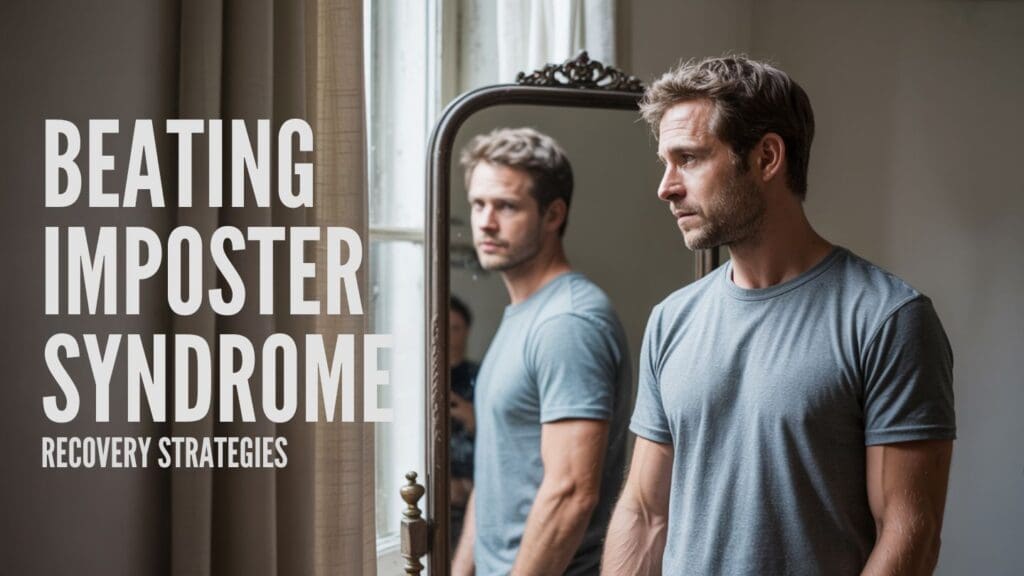


A persistent sense of inadequacy. The belief that you’re faking your way through recovery. The fear of being “found out” as a fraud. These aren’t rare sentiments; they are classic signs of imposter syndrome, and they impact countless individuals in addiction recovery.
Even after months or years of abstinence and progress, many recovering individuals wrestle with the haunting notion that they don’t deserve their success. The impostor phenomenon isn’t exclusive to professional achievement; it also affects those fighting to rebuild their lives after substance abuse.
Originally defined by psychologists Pauline Clance and Suzanne Imes in 1978, imposter syndrome describes a persistent feeling of self-doubt and perceived fraudulence, despite evident success or accomplishment. It’s often accompanied by negative self-talk, perfectionism, and a belief that external validation is undeserved.
In the realm of recovery, these feelings can undermine progress. A person may attend group therapy, hold a stable job, and reconnect with family, yet still feel they’re not “truly” in recovery. This emotional disconnect can trigger negative thought patterns and potentially compromise sobriety.

For individuals battling mental health issues or addiction, shame often precedes and outlives substance use. Recovery introduces a new identity, one built on resilience, vulnerability, and healing. But for some, this new role clashes with their internal narrative.
This is especially true for people who never fully addressed why people get addicted to drugs in the first place. Factors like unresolved trauma, emotional neglect, mental illness, or environmental stressors often drive substance use. When these root causes go unacknowledged, recovery can feel performative rather than personal, fueling imposter thoughts.
Here’s why imposter feelings are so prevalent during recovery:
These symptoms are compounded by co-occurring mental disorders like bipolar disorder, eating disorders, or anxiety. When left unaddressed, this emotional dissonance contributes to the imposter cycle: success → self-doubt → overcompensation → failure → reinforcement of fraudulence.
Common signs include:
It’s important to remember that these feelings don’t define you; they are symptoms, not truths.

Cognitive behavioral therapy is one of the most effective tools for addressing negative thoughts and reframing internal narratives. It targets distorted beliefs and helps individuals recognize and reprogram self-sabotaging behaviors. For example, replacing “I’m not really in recovery” with “I’m actively practicing recovery every day.”
Vulnerability is the antidote to shame. In group therapy, sharing imposter thoughts helps normalize them. You’re not the only one doubting your success; others in recovery likely feel the same. Expressing these emotions in a safe space reduces their power and fosters connection.
Maintain a successful journal. Document clean dates, therapy breakthroughs, or reconnecting with loved ones. Visual evidence of achievement interrupts imposter thoughts and builds real-time proof of growth.
Recovery isn’t linear. It includes setbacks, plateaus, and breakthroughs. Redefine success as continued effort, not perfection. If you show up for yourself today, you’ve succeeded.
Long-term mental health treatment can support identity formation beyond addiction. Online therapy options make it more accessible, and family therapy may help restore relationships damaged by substance use.
The American Psychological Association notes that imposter syndrome thrives in silence. Instead of suppressing difficult emotions, work on acceptance. You can feel uncomfortable and still be worthy of healing.

Isolation amplifies self-doubt. Surrounding yourself with supportive peers and structured recovery systems reduces vulnerability to impostor feelings. Recovery communities foster belonging, accountability, and shared resilience, key buffers against shame.
This highlights the importance of the psychology of sober living, where the environment plays a decisive role in mental and emotional stability. A recovery-friendly setting, built around structure, shared experience, and purpose, helps reinforce self-worth and consistency, two critical factors in silencing the inner imposter.
Environments that encourage accountability and personal growth, such as sober living homes, help reinforce the identity of a person in recovery, not one pretending to be.
If you’re experiencing imposter syndrome in recovery from addiction, it’s not a sign of failure; it’s a reflection of the deep emotional work required to rebuild identity. These thoughts don’t invalidate your progress; they highlight the complexity of healing.
With the right therapeutic strategies, a supportive peer network, and a stable environment, those imposter feelings can lose their grip. You don’t need to prove your worth in recovery; you need to believe in it.
If you’re looking for a structured environment that fosters accountability, growth, and connection, contact us at Cleveland House to learn more about our sober living in Boca Raton, FL. We’re here to help you reclaim your confidence and build a life rooted in authenticity, not fear.