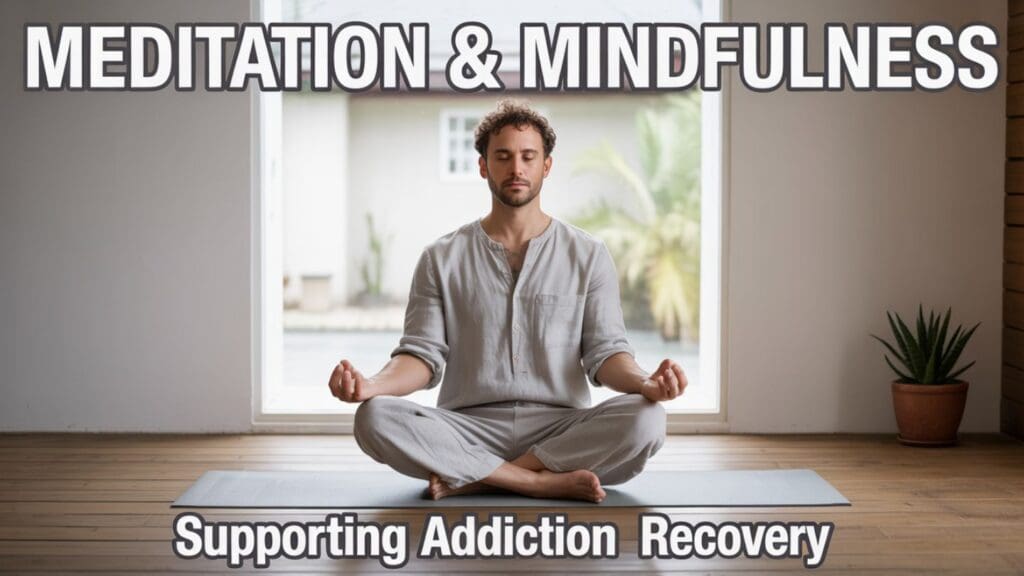


Addiction recovery is more than a process of abstaining from harmful substances; it’s a journey of emotional healing, self-awareness, and personal transformation. The path to long-term sobriety requires more than just willpower; it calls for inner peace and mental clarity, which can be achieved through mindfulness and meditation. Understanding how meditation and mindfulness work for addiction recovery reveals why these practices have become integral to modern recovery programs and why they continue to empower individuals seeking sustained healing and balance.
At their core, meditation and mindfulness teach individuals to live in the present moment. They help calm the mind, manage cravings, and reduce the emotional turbulence that often fuels addiction. Within structured environments like sober living homes, these practices complement therapy, counseling, and support programs; creating a holistic framework for recovery that nurtures both the mind and body.
The role of mindfulness and meditation in addiction recovery lies in their ability to help individuals develop awareness and control over their thoughts and emotions. Addiction often disconnects people from themselves; it numbs emotions, distorts perception, and diminishes focus. Meditation reverses that process by reconnecting the mind to the present moment, allowing individuals to observe their thoughts without judgment and respond rather than react to triggers.
Mindfulness, on the other hand, extends meditation into everyday life. It teaches individuals to stay aware of their emotional states, surroundings, and decisions throughout the day. Whether it’s managing stress, resisting cravings, or finding peace amid uncertainty, mindfulness provides the mental discipline needed to sustain long-term addiction recovery. Recognizing the link between awareness and transformation aligns with insights on why living a sober lifestyle isn’t just about abstaining from substance abuse, which emphasizes that recovery involves more than avoidance; it requires cultivating mindfulness, purpose, and emotional balance in daily life.
The power of meditation in overcoming addiction cannot be overstated. Meditation helps regulate emotions, stabilize thought patterns, and calm the nervous system. It allows individuals to become aware of their cravings without being controlled by them. Instead of reacting impulsively to discomfort or temptation, meditation encourages stillness and reflection.
This inner stillness is vital for healing. It fosters patience and clarity, qualities that help people face emotional challenges and triggers head-on. Over time, meditation reshapes how the brain processes stress, promoting a healthier and more peaceful state of mind that supports recovery from substance use disorders.

Meditation serves as an anchor during the unpredictable waves of recovery. It brings balance to moments of emotional turmoil and helps individuals cultivate acceptance; acceptance of their past, their progress, and the present moment.
By focusing on the breath or repeating calming affirmations, meditation activates the body’s relaxation response, lowering stress hormones like cortisol and adrenaline. This physiological shift counteracts the anxiety and restlessness that can accompany early recovery.
Over time, meditation enhances emotional resilience. Individuals become better equipped to manage triggers and moments of craving, replacing impulsive reactions with thoughtful, conscious decisions. In this way, meditation becomes not just a coping strategy but a foundation for mental strength and inner peace.
Why mindfulness is essential in long-term addiction recovery lies in its emphasis on awareness and emotional regulation. Mindfulness involves being fully present, acknowledging thoughts, sensations, and emotions without judgment. In recovery, this helps individuals identify unhealthy thinking patterns before they spiral into negative behaviors.
Mindfulness teaches individuals to notice their cravings or stress responses as temporary experiences rather than commands to act upon. This perspective reduces impulsivity and increases emotional control. Moreover, it builds compassion toward oneself and others, helping individuals repair relationships damaged by addiction and cultivate healthier social connections.
By learning to observe thoughts and emotions objectively, individuals discover freedom from the cycle of reaction that often perpetuates addiction. This awareness forms the basis for sustained sobriety and emotional balance.
The benefits of meditation and mindfulness in addiction recovery go beyond relaxation. They include improved focus, emotional stability, self-awareness, and overall mental well-being. Together, these practices create a positive ripple effect throughout all aspects of life.
Meditation enhances concentration and memory, both of which can be impaired by substance use. It also reduces anxiety and depression, two common challenges faced in recovery. Mindfulness complements these benefits by helping individuals recognize and challenge negative self-talk, fostering a mindset of growth and self-compassion. Understanding how consistency and accountability enhance recovery and how sober living homes help prevent relapse through structure and routine highlights how structured practices like mindfulness and meditation provide emotional stability and reinforce commitment to long-term sobriety.
In professional recovery environments, meditation and mindfulness are integrated into therapy sessions, group discussions, and daily routines. These practices not only strengthen mental health but also deepen the connection between mind, body, and spirit, essential elements of holistic healing.
Scientific research increasingly supports the role of mindfulness in recovery. Studies show that mindfulness-based therapies reduce the risk of relapse by strengthening neural pathways responsible for decision-making and emotional control. Regular meditation promotes changes in the prefrontal cortex, the area of the brain associated with attention, planning, and impulse regulation.
Additionally, mindfulness reduces activity in the amygdala, the brain’s “fear center,” helping individuals respond to stress with calmness instead of panic or craving. By rewiring these neural pathways, mindfulness cultivates long-term behavioral change that supports sobriety and emotional stability.

Addiction often arises from emotional pain; unresolved trauma, guilt, or stress. Mindfulness helps address these underlying wounds by fostering emotional acceptance and self-understanding. Rather than avoiding painful memories, individuals learn to face them with compassion and clarity.
Through mindfulness, they develop a healthier relationship with their emotions, recognizing them as transient experiences rather than overwhelming obstacles. This emotional healing process allows individuals to rebuild their sense of self-worth and trust, essential components for recovery and long-term healing. This approach mirrors insights from the psychology of sober living, which explores how mindful environments cultivate emotional growth, resilience, and a stable foundation for recovery.
In professional treatment settings, meditation and mindfulness in addiction recovery are integrated into therapeutic programs to complement evidence-based methods like cognitive-behavioral therapy (CBT) and group counseling. These techniques encourage residents to slow down, reflect, and connect with their inner selves.
Guided meditation sessions help individuals manage stress and anxiety, while mindfulness exercises are woven into therapy to enhance self-awareness. The goal is to create balance between external support and internal reflection, helping residents apply mindfulness not only during sessions but throughout their daily lives.
Resilience, the ability to adapt and grow through challenges, is key to sustained sobriety. Mindfulness nurtures resilience by teaching individuals to embrace discomfort as part of growth rather than something to escape.
When challenges arise, mindfulness provides the mental flexibility to observe them calmly and respond thoughtfully. This shift in mindset transforms recovery from a struggle into a process of personal empowerment. Over time, mindfulness cultivates gratitude, patience, and strength; the very qualities that anchor individuals through the ups and downs of addiction recovery.
Incorporating mindfulness into a structured daily routine reinforces discipline and stability, both critical in recovery. Practices like mindful breathing, reflective journaling, and gratitude exercises help individuals begin and end each day with purpose and intention.
Within a sober living home, mindfulness activities are often built into the daily schedule to promote focus and mental clarity. Residents learn to approach everyday tasks, such as eating, cleaning, or exercising, with awareness and appreciation, turning routine activities into opportunities for calm reflection and growth.

Addiction recovery often involves managing underlying mental health issues such as anxiety, depression, or post-traumatic stress. Meditation and mindfulness directly support mental wellness by enhancing emotional balance and reducing rumination, the constant replay of negative thoughts.
By focusing on the present, individuals break free from cycles of worry and regret, regaining control of their emotions. This mental clarity supports not only healing but also confidence and self-worth, both of which are essential for successful recovery.
Beyond emotional and mental benefits, meditation and mindfulness foster spiritual growth. For many in recovery, spirituality represents a renewed sense of purpose and connection to something greater than themselves. Mindfulness nurtures this spiritual awakening by quieting the mind and allowing inner peace to emerge naturally.
This sense of serenity provides comfort and guidance through challenging times, reinforcing the belief that recovery is not just about avoiding substances; it’s about rediscovering meaning, gratitude, and fulfillment in life.
The ultimate goal of meditation and mindfulness is to maintain awareness and balance long after formal treatment ends. These practices serve as lifelong companions, offering tools for coping with stress, maintaining emotional stability, and reinforcing commitment to sobriety.
Individuals who integrate mindfulness into their daily lives experience fewer cravings, lower anxiety, and a greater sense of control. With continued practice, they build a sustainable lifestyle grounded in peace, clarity, and self-discipline; the pillars of long-term recovery.
Meditation and mindfulness are transformative tools in the journey of addiction recovery. They provide clarity in moments of uncertainty, reduce emotional distress, and cultivate self-awareness essential for lasting change. By helping individuals stay grounded in the present, these practices strengthen mental health, emotional resilience, and spiritual growth, laying the foundation for a life of peace and purpose beyond addiction.
At The Cleveland House, we recognize the powerful role of mindfulness and meditation in fostering emotional stability and sustained healing. Through our structured programs for addiction recovery in South Florida, residents experience a supportive environment that combines therapeutic care, mindfulness-based practices, and professional guidance to build confidence, focus, and lasting sobriety. Begin your journey toward clarity and balance today; contact us to discover how mindfulness and structured support can transform your path to lifelong recovery.
