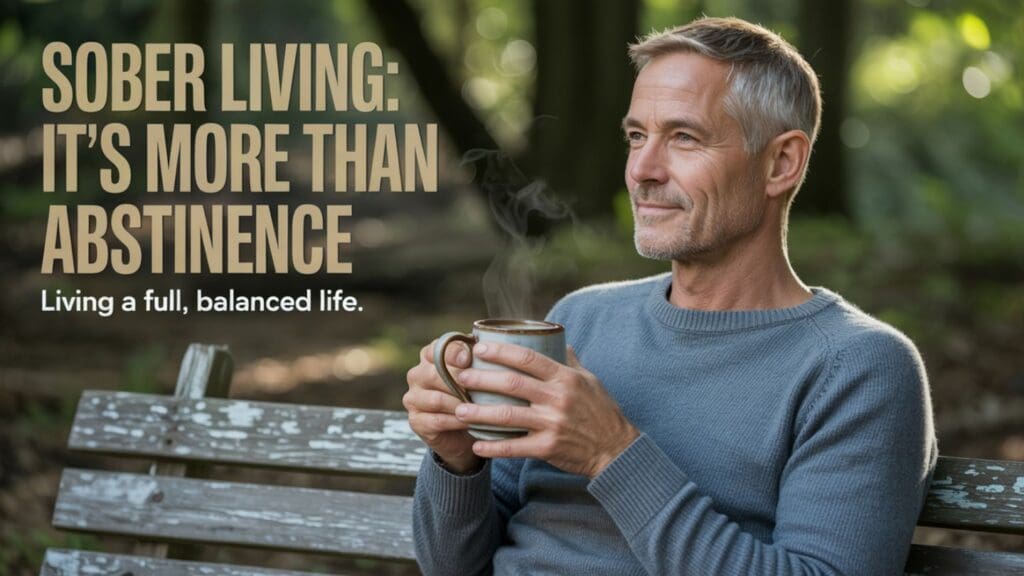
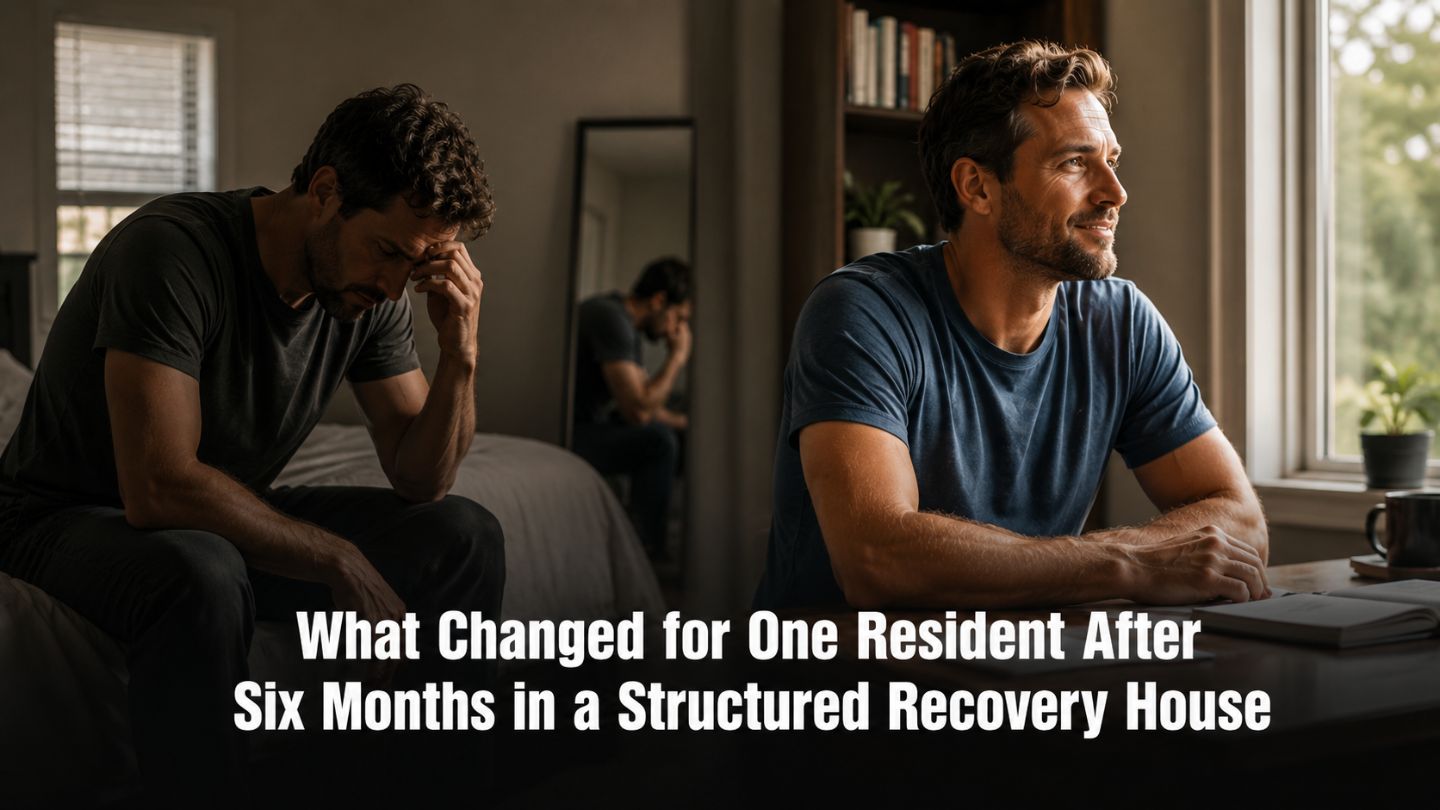

Sobriety is often perceived as a binary choice: either you use substances or you don’t. But in reality, living a sober lifestyle isn’t just about abstaining from substance abuse; it has more to do with how you choose to live each day. True sobriety transcends the concept of complete abstinence; it’s about transforming your relationship with yourself, your environment, and your coping mechanisms.
Many people believe that quitting drugs or alcohol is the endpoint of recovery. In truth, it’s the starting line. Choosing sobriety is a powerful first step, but sustaining a sober lifestyle means learning to replace destructive habits with healthier ones. It requires changing not just what you consume, but how you think, feel, and act.
This is why living a sober lifestyle means more than abstaining. It’s about building a foundation rooted in mental clarity, emotional resilience, and personal accountability, not simply avoiding drug use or alcohol consumption.
Understanding how long alcohol stays in your system is a crucial part of maintaining accountability in recovery. It’s not just about your last drink; it’s about how alcohol affects your cognitive clarity, physical health, and emotional regulation even after it’s left your bloodstream. For those committed to sobriety, this knowledge reinforces healthier decision-making and strengthens long-term recovery goals.
Emotional sobriety refers to the inner stability and peace a person builds during addiction recovery. Unlike physical abstinence, emotional sobriety focuses on regulating emotions, processing trauma, and staying grounded during life’s challenges.
Without addressing the emotional underpinnings of substance use, relapse becomes a revolving door. That’s why emotional sobriety is essential to long-term recovery; it creates space for self-awareness, healthier reactions, and true behavioral change.
Living a sober lifestyle isn’t about deprivation, it’s about liberation. You’re freeing yourself from the physical, mental, and emotional toll of substance misuse. You’re no longer dictated by cravings, triggers, or toxic patterns. Instead, you choose:
The sober curious lifestyle has gained momentum among those reevaluating their relationship with alcohol or drugs, even if they haven’t faced full-blown addiction. It embraces the idea that you don’t have to hit rock bottom to make a change.
People choosing the California sober or California sober lifestyle approaches, where individuals may abstain from hard drugs but still occasionally use marijuana, highlight that there’s a wide spectrum of what sobriety can look like.
While controversial, movements like these encourage open conversations around harm reduction, self-reflection, and healthier choices, even if they don’t align with complete abstinence models like Alcoholics Anonymous or Narcotics Anonymous.
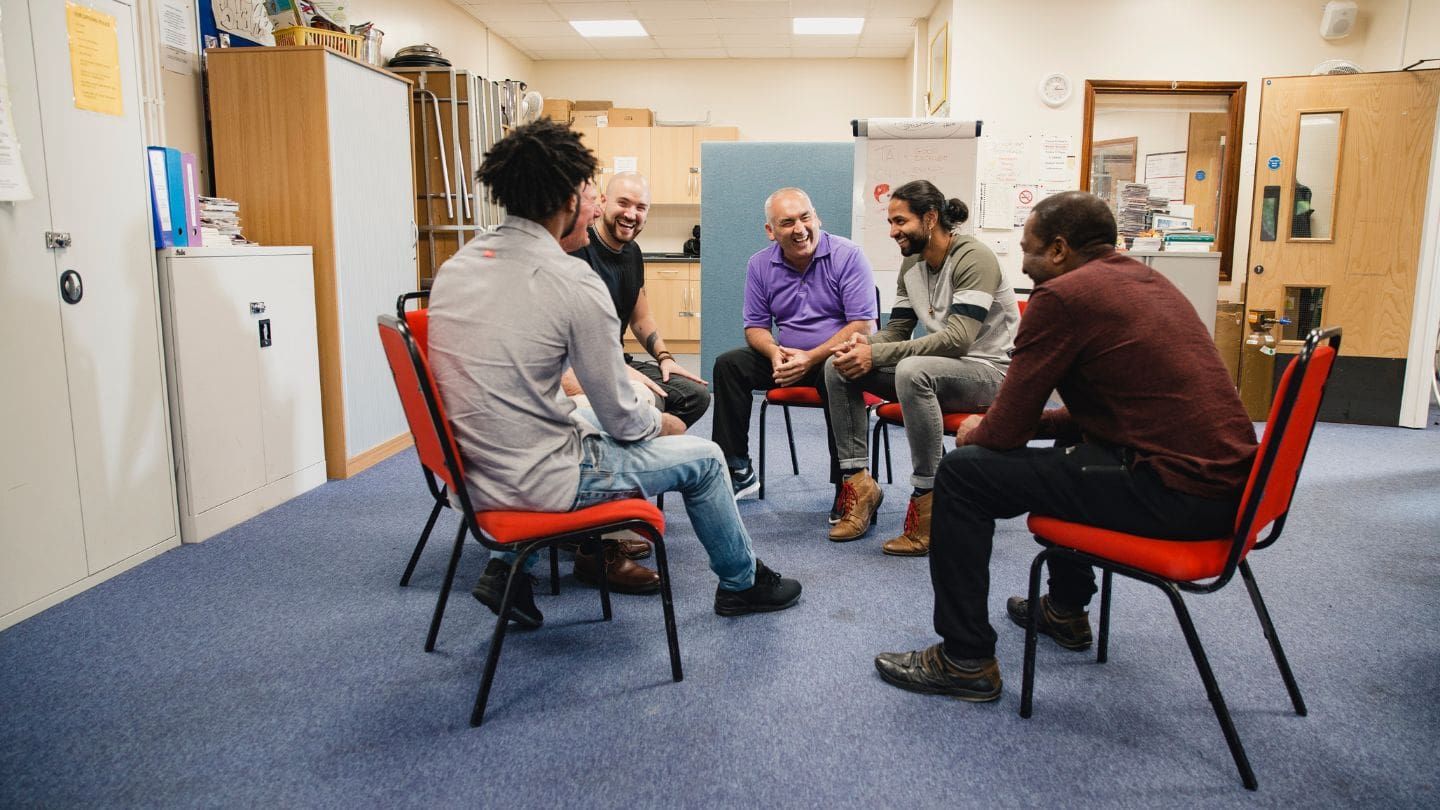
A sober living house or sober living home isn’t just a physical location; it’s a community designed to support your recovery journey. These environments offer structure, accountability, and peer support in the delicate phase between treatment and full independence.
Sober living environments are vital for individuals transitioning out of residential rehab, helping them build confidence in real-world situations. They reinforce the importance of lasting recovery and help develop the emotional tools necessary for long-term sobriety.
A successful recovery often depends on your social ecosystem. Having at least one sober friend or an encouraging network dramatically increases your chances of staying sober.
Isolation and loneliness are common relapse triggers. On the other hand, building connections with others who respect your journey helps reinforce your commitment to a sober life and minimizes exposure to environments that promote alcohol abuse, drug abuse, or other risky behaviors.
Substance use rarely exists in a vacuum. Conditions like anxiety, depression, and trauma are often root causes or consequences of substance abuse. Addressing mental health is not optional; it’s essential.
Neglecting mental wellness can lead to emotional instability, self-medication, and eventually, relapse. Integrating therapy, support groups, and holistic health practices into your lifestyle gives you the best shot at lasting sobriety.
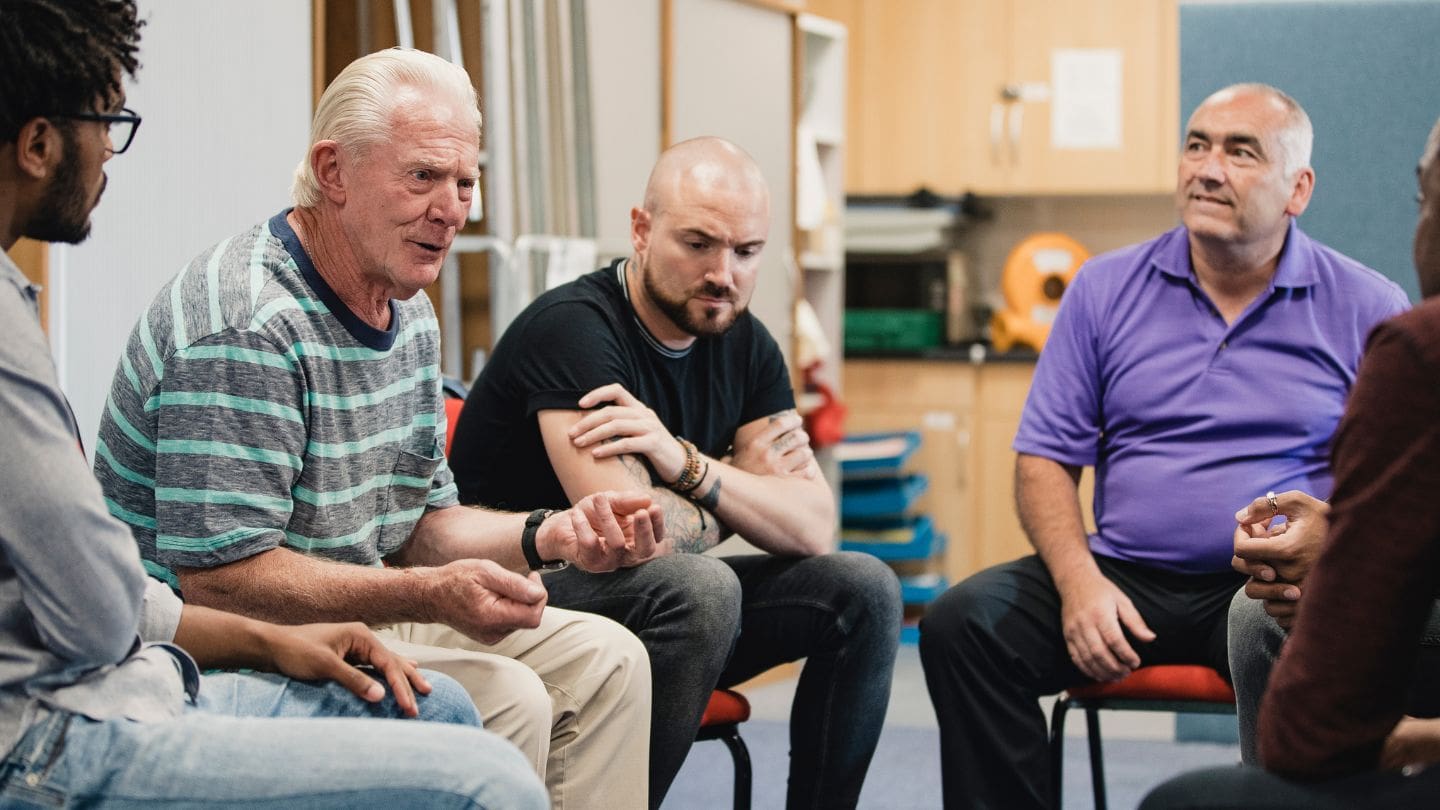
Why abstaining from substances isn’t enough comes down to this: If your lifestyle doesn’t support your sobriety, relapse becomes more likely. Creating a full, vibrant life that aligns with your values is the true safeguard against falling back into old patterns.
This includes:
Recovery is a form of reinvention. The more fulfilling your life becomes without substances, the less appealing they are.
Whether you’re recovering from alcohol addiction, drug addiction, or both, the goal isn’t just to stop using; it’s to thrive. Recovery isn’t about gritting your teeth and enduring abstinence forever. It’s about becoming someone who doesn’t need substances to feel okay.
Ready to start building a life beyond addiction? At Cleveland House, we offer a supportive sober house in Pompano Beach, FL, where lasting change becomes possible. Contact us today to begin your journey to authentic, empowered sobriety.