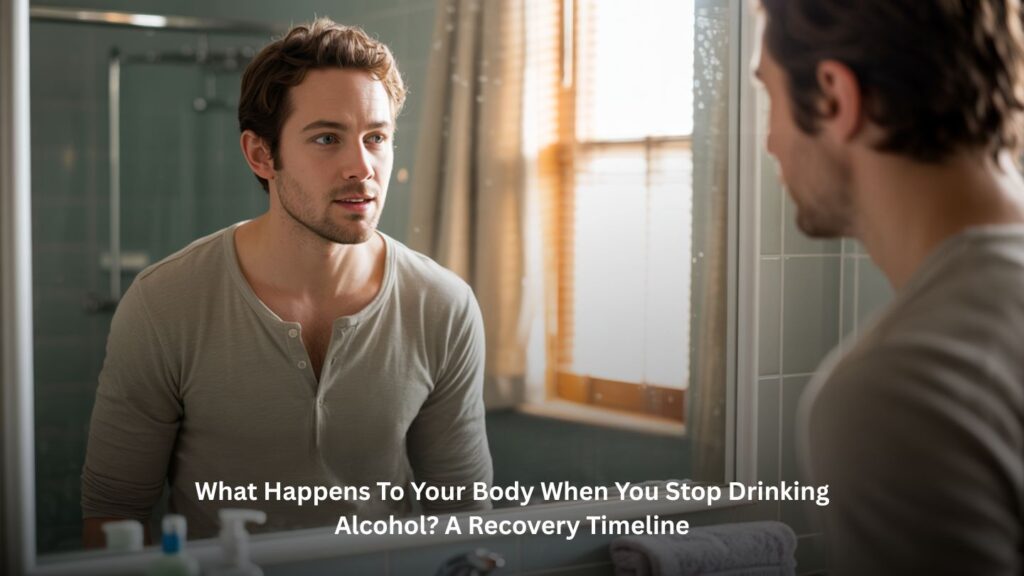


Deciding to stop drinking alcohol is one of the most important steps a person can take toward improving their health and overall well-being. Many individuals struggling with alcohol addiction often wonder what happens when you stop drinking alcohol and how the body responds during recovery. While every person’s experience is unique, the body begins to undergo noticeable changes once alcohol consumption stops, gradually restoring balance and improving physical and mental health.
Understanding what happens to your body when you stop drinking alcohol can help individuals feel more prepared for the recovery journey. Alcohol affects multiple systems in the body, including the brain, heart, liver, and nervous system. When someone with alcohol use disorder or alcohol addiction stops drinking, the body must adjust to functioning without alcohol. This process may involve alcohol withdrawal symptoms as the body begins detox and gradually stabilizes. With the right support and professional addiction treatment, individuals can safely navigate alcohol withdrawal and begin rebuilding their health. A structured recovery environment and medical supervision can help ensure that individuals receive the support they need during alcohol detox and throughout their recovery journey.
Alcohol dependence develops over time when the body becomes accustomed to regular alcohol consumption. As drinking alcohol becomes a routine part of daily life, the brain begins to rely on alcohol to regulate certain chemical processes. When alcohol use suddenly stops, the body must readjust to functioning without it.
This transition period is known as alcohol withdrawal. Alcohol withdrawal occurs because the brain and nervous system have adapted to the presence of alcohol. Once alcohol is removed from the system, the body begins working to restore normal balance.
Alcohol withdrawal symptoms can vary depending on several factors, including how long a person has been drinking, the amount of alcohol consumed, and overall health. Individuals with alcohol addiction may experience more noticeable withdrawal symptoms during the early stages of recovery. Because withdrawal symptoms can affect both physical and mental health, professional addiction treatment and supervised alcohol detox are often recommended. These services help individuals safely manage withdrawal while beginning their path toward long-term recovery.
Many people ask what happens to the body when you stop drinking alcohol. The body begins a process of healing and repair as soon as alcohol consumption stops. Alcohol affects the brain, liver, cardiovascular system, and immune system, and removing alcohol allows these systems to begin restoring balance. The liver, which is responsible for processing alcohol, often begins improving its function once alcohol use stops. Blood pressure levels may gradually stabilize, and the body’s ability to regulate energy and sleep patterns can begin to improve.
Mental health may also begin to improve as the brain restores its natural chemical balance. Many individuals notice improvements in mood, clarity of thought, and emotional stability as they continue their recovery journey. These improvements occur gradually throughout the recovery process as the body continues healing from the effects of alcohol misuse.
Read More: Timeline of Brain Recovery After an Alcohol Addiction
The first stage of quitting alcohol typically occurs within the first 24 hours after the last drink. During this time, the body begins the detox process as alcohol leaves the bloodstream. Understanding how long alcohol stays in your system can help individuals better recognize how the body begins processing and eliminating alcohol during the earliest stage of detox. As the body adjusts, individuals may begin to experience early alcohol withdrawal symptoms. These symptoms occur because the nervous system is adapting to the absence of alcohol.
During the early stage of alcohol withdrawal, the body is working to restore equilibrium. While the symptoms may vary from person to person, professional supervision during alcohol detox can help ensure that individuals remain safe and supported during this important stage of recovery. Addiction treatment programs often begin with alcohol detox services that provide structured care and monitoring while the body clears alcohol from the system.

Within the first few days after quitting alcohol, withdrawal symptoms may become more noticeable. The body is still adjusting to the absence of alcohol, and the nervous system is working to stabilize. During this stage, some individuals may experience symptoms related to alcohol withdrawal. In certain cases of severe alcohol addiction, a rare but serious condition known as delirium tremens may occur. This condition is associated with severe alcohol withdrawal symptoms and highlights the importance of professional medical supervision during detox.
Addiction treatment professionals closely monitor individuals during this period to ensure that withdrawal symptoms are managed safely. Supportive care during detox helps individuals remain comfortable while their bodies continue adjusting to the absence of alcohol. This stage is an important part of the alcohol withdrawal timeline and often marks the beginning of meaningful progress toward recovery.
As the first week progresses, the body continues adjusting to life without alcohol. Alcohol withdrawal symptoms may gradually decrease as the nervous system stabilizes. During this stage, many individuals begin experiencing improved mental clarity and increased energy. The body is no longer processing alcohol, allowing internal systems to focus on healing and recovery. Developing structure and routine during alcohol recovery can also help individuals strengthen healthy habits that support stability and long-term sobriety.
Mental health support during this stage is especially important. Addiction treatment programs often incorporate counseling, therapy, and structured recovery support to help individuals navigate emotional changes while strengthening their commitment to sobriety. Participation in recovery programs and support groups can help individuals maintain motivation and reinforce positive lifestyle changes.
In the weeks following alcohol detox, many individuals begin noticing improvements in their overall health. The body continues repairing the effects of long-term alcohol use, and many internal systems begin functioning more efficiently. Blood pressure levels may stabilize, sleep quality may improve, and individuals may experience better concentration and focus. Mental health can also improve as the brain restores its natural chemical balance. As recovery progresses, many individuals also become interested in the timeline of brain recovery after alcohol addiction and how the brain gradually restores its natural balance after long-term alcohol use.
During this stage, addiction treatment programs often focus on strengthening coping strategies, relapse prevention, and emotional wellness. Therapy, peer support, and structured recovery activities help individuals build the skills necessary for maintaining long-term sobriety. These improvements highlight the powerful impact that quitting alcohol can have on overall well-being.
Read More: How to Cope With Drug and Alcohol Cravings During the Holiday

Long-term recovery involves ongoing commitment to sobriety and continued support through addiction treatment programs. Individuals who maintain recovery often experience lasting improvements in their health, relationships, and quality of life.
Over time, the body continues repairing the effects of alcohol misuse. Individuals may experience improved energy levels, stronger mental health, and greater emotional stability. As individuals rebuild their lives in sobriety, learning healthy ways to overcome social anxiety without alcohol can play an important role in maintaining confidence and emotional stability during long-term recovery. Long-term recovery also involves developing healthy routines, building strong support systems, and remaining engaged in recovery communities such as support groups and counseling programs. Professional addiction treatment services play an important role in helping individuals maintain sobriety and continue progressing in their recovery journey.
Read More: Why Many People Travel to South Florida for Alcoholism Recovery Programs
Understanding what happens when you stop drinking alcohol can help individuals feel more prepared for the recovery process. The body begins healing shortly after alcohol consumption stops, and many physical and mental improvements occur as the body continues to recover from alcohol use. Although alcohol withdrawal symptoms may occur during the early stages of recovery, professional addiction treatment and supervised alcohol detox can help individuals safely navigate withdrawal while building a strong foundation for long-term sobriety.
At Cleveland House, individuals seeking compassionate and structured support can access programs designed to guide them through detox and sustained recovery. Those looking for professional care for alcoholism recovery in Fort Lauderdale can find a supportive environment focused on healing, stability, and sustained sobriety. Residents may also benefit from structured resources such as a 12-step program, comprehensive addiction treatment services, medically supported options likequick suboxone tapering, and stable housing environments, including sober living in Boca Raton, FL, that help individuals continue building a healthy, alcohol-free lifestyle. Contact us today to begin your path toward lasting recovery and a healthier future.