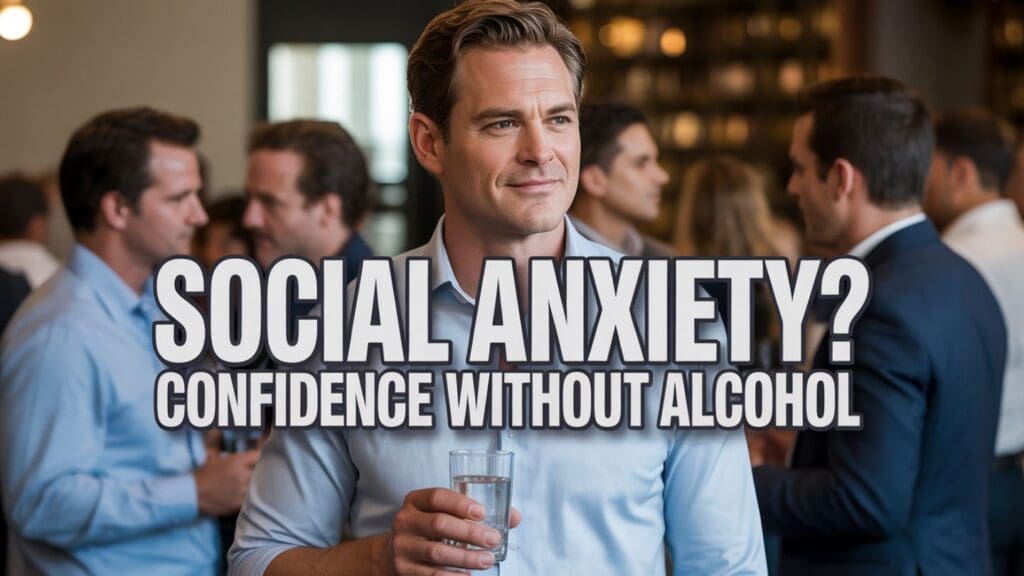


Social anxiety is a deeply personal and often misunderstood mental health condition that affects how individuals navigate social situations, relationships, and everyday interactions. Many people struggling with social anxiety disorder find themselves turning to alcohol as a way to feel more comfortable, confident, or relaxed in social settings. While alcohol may seem like a temporary solution, it can quietly reinforce anxiety symptoms and increase reliance on drinking as a coping mechanism. Learning how to overcome social anxiety without alcohol is an essential step toward lasting sobriety, improved mental health, and meaningful addiction recovery.
Overcoming social anxiety without alcohol is not about forcing confidence or suppressing fear. It involves understanding the connection between anxiety, alcohol use, and behavioral health, and recognizing that true confidence develops through professional support, therapeutic care, and sustained recovery. With the right treatment approach, individuals can learn to manage social anxiety, build healthier coping strategies, and regain control over their social life without relying on drinking.
Social anxiety disorder, sometimes referred to as social phobia, is characterized by an intense fear of being judged, embarrassed, or rejected in social situations. This anxiety can arise during social interaction, public speaking, group gatherings, or even casual conversations. Physical symptoms such as a racing heart, sweating, muscle tension, or shortness of breath often accompany anxious thoughts, making social situations feel overwhelming. Even after drinking stops, lingering physical and psychological effects can influence anxiety levels, which aligns with understanding how long alcohol stays in your system during periods of alcohol use and early recovery.
Alcohol is frequently used as a coping tool because it temporarily dulls anxiety symptoms and reduces inhibitions. In social settings, alcohol consumption may seem to ease discomfort or make interactions feel more manageable. However, this pattern can quickly lead to alcohol use becoming a primary way to cope with anxiety. Over time, this connection increases the risk of alcohol abuse, alcohol addiction, and alcohol use disorder, especially for individuals already vulnerable to anxiety disorders.
Social anxiety and addiction often exist side by side. When anxiety goes untreated, individuals may rely on drinking alcohol to feel accepted, relaxed, or socially capable. This cycle reinforces both anxiety and substance use, making recovery more complex. Alcohol use may initially mask anxiety symptoms, but it often worsens anxiety over time, especially during periods of sobriety or withdrawal.
Addiction recovery requires addressing both substance use and underlying mental health conditions. Without proper treatment, quitting alcohol alone may leave social anxiety unresolved, increasing the risk of relapse. Professional addiction recovery programs recognize this connection and emphasize integrated care that supports both sobriety and mental health stability.
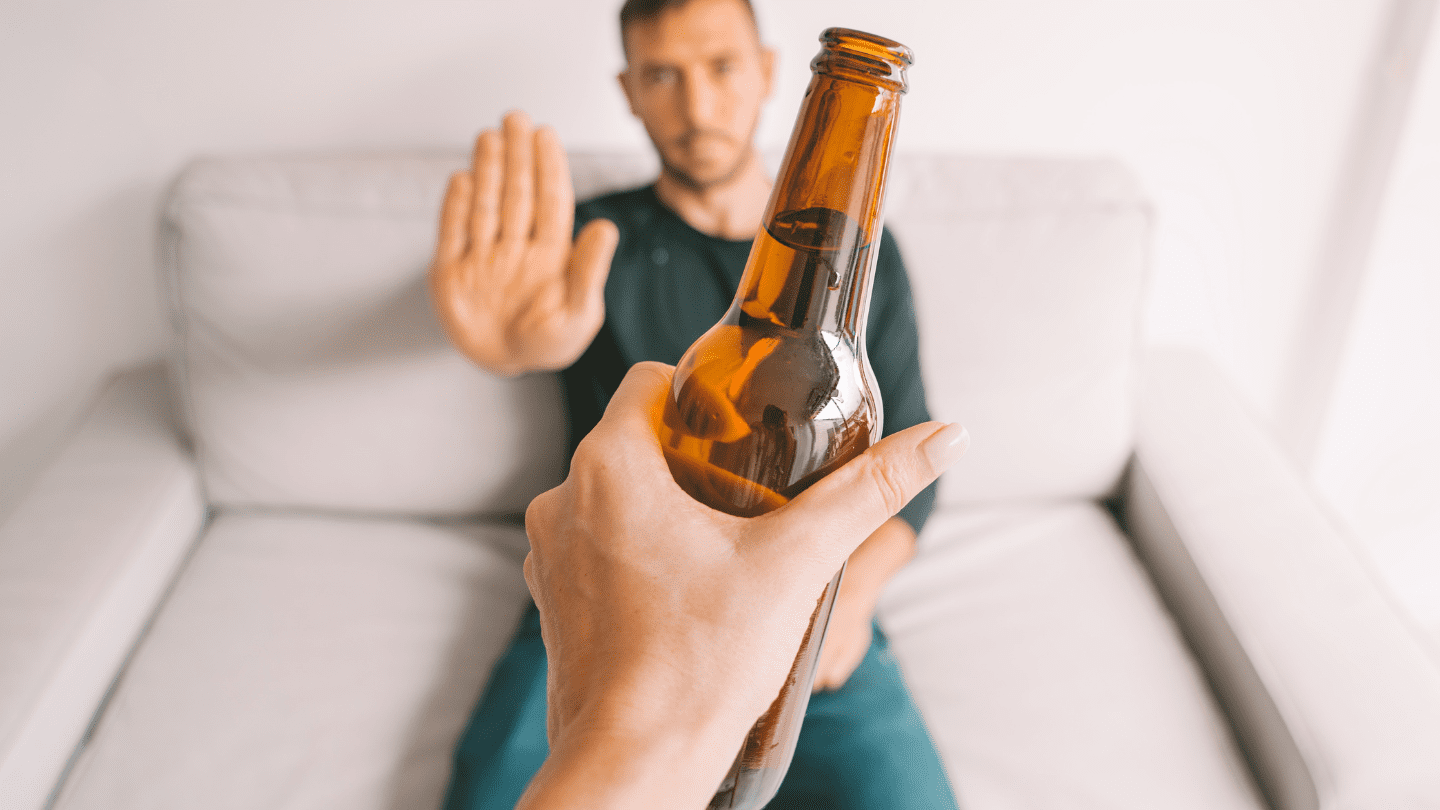
Although alcohol may reduce anxiety temporarily, it does not treat social anxiety disorder or anxiety disorders. Drinking interferes with the brain’s natural ability to regulate emotions and can intensify anxious thoughts once the effects wear off. Over time, alcohol use disrupts emotional regulation, increases anxiety symptoms, and reinforces avoidance behaviors in social situations. As alcohol use decreases and recovery progresses, emotional regulation improves over time, reflecting the timeline of brain recovery after an alcohol addiction and reinforcing the benefits of sustained sobriety.
Relying on alcohol to cope with social fears can also limit personal growth and social confidence. Instead of learning how to manage anxiety directly, individuals may feel dependent on drinking to function in social settings. Overcoming social anxiety without alcohol allows individuals to build genuine confidence rooted in recovery, behavioral health care, and long-term emotional resilience.
Learning how to manage social anxiety without alcohol is most effective when guided by professional treatment. Behavioral health services provide individuals with structured support, clinical insight, and therapeutic tools designed to address anxiety and substance use together. Treatment focuses on understanding anxiety triggers, reshaping anxious thoughts, and developing healthier coping strategies that support sobriety.
Cognitive behavioral therapy is a widely used approach in addiction recovery and anxiety treatment. This therapy helps individuals recognize negative thought patterns that fuel social anxiety and replace them with more balanced perspectives. By addressing anxious thoughts in a supportive environment, individuals can build confidence and emotional stability without relying on alcohol.
Anxiety symptoms often manifest both mentally and physically. Individuals may experience intense fear, racing thoughts, or physical symptoms such as trembling or muscle tension during social situations. Behavioral health treatment addresses these symptoms by teaching emotional regulation, stress management, and coping skills that align with recovery goals.
Professional care focuses on long-term healing rather than short-term relief. Through therapy sessions and structured treatment programs, individuals learn to respond to anxiety in healthier ways. This approach supports sobriety while strengthening emotional resilience, making it easier to engage in social interaction without fear or dependence on alcohol.
Recovery provides an opportunity to rebuild confidence from a place of authenticity. As individuals progress through addiction recovery, they begin to rediscover their identity without alcohol. Professional treatment encourages gradual exposure to social situations in a supportive and guided manner, allowing individuals to develop confidence at a manageable pace.
Social interaction becomes more meaningful when individuals feel emotionally grounded and supported. Through therapy and recovery-focused programming, individuals learn how to navigate social settings with clarity and self-awareness. This process supports sustained sobriety while improving overall mental health and social functioning.
Mental health plays a critical role in addiction recovery, particularly for individuals with social anxiety disorder or anxiety disorders. Treating anxiety alongside substance use improves recovery outcomes and reduces the likelihood of relapse. Integrated treatment models recognize that mental health stability is essential for long-term sobriety.
Professional addiction recovery programs incorporate behavioral health services that address anxiety, emotional regulation, and stress management. This comprehensive approach allows individuals to work through social fears, reduce anxiety symptoms, and build coping skills that support recovery in real-world social situations.

Social events can feel intimidating for individuals in recovery, especially when alcohol is present. Learning how to cope with social anxiety without alcohol involves developing confidence through preparation, emotional awareness, and professional support. Treatment helps individuals identify triggers and develop strategies that align with sobriety and mental health goals. Social gatherings can heighten cravings, particularly during high-pressure times of the year, making it important to understand how to cope with drug and alcohol cravings during the holiday while remaining grounded in recovery.
Rather than avoiding social events, recovery encourages individuals to engage with social life in healthier ways. With ongoing support and therapy, individuals learn to manage anxiety in social settings without relying on alcohol consumption, strengthening their sense of independence and personal responsibility.
Sobriety is more than abstaining from drinking; it is about developing emotional clarity and resilience. Addressing social anxiety during recovery supports sustained sobriety by reducing emotional triggers that often lead to alcohol use. Professional treatment fosters self-awareness and emotional regulation, empowering individuals to face social fears with confidence.
As individuals continue their recovery journey, emotional awareness becomes a valuable tool for navigating relationships, social situations, and daily stressors. This awareness supports long-term recovery and reinforces the importance of addressing mental health alongside addiction treatment.
Recovery offers the opportunity to build a healthier and more fulfilling social life. Without the influence of alcohol, individuals can form genuine connections based on shared values, trust, and emotional openness. Professional support helps individuals redefine social interaction in ways that align with sobriety and personal growth.
Overcoming social anxiety without alcohol allows individuals to experience social situations with clarity and presence. Through treatment, individuals gain confidence in their ability to communicate, connect, and engage without fear or dependence on drinking.
Addressing social anxiety as part of addiction recovery supports lasting sobriety and emotional stability. Individuals who receive comprehensive care for both anxiety and substance use are better equipped to manage stress, build relationships, and maintain recovery goals.
Professional treatment emphasizes long-term healing rather than temporary solutions. By focusing on mental health, behavioral health, and emotional resilience, individuals can experience meaningful personal growth and improved quality of life throughout their recovery process.
Learning how to overcome social anxiety without alcohol is a meaningful step toward long-term sobriety, improved mental health, and personal confidence. Addressing social anxiety through professional care allows individuals to break free from patterns of avoidance and reliance on drinking, replacing them with healthier coping strategies rooted in emotional awareness and resilience. When anxiety and addiction recovery are treated together, individuals are better equipped to navigate social situations, build authentic connections, and sustain recovery over time.
At Cleveland House, care is designed to support both addiction recovery and underlying mental health needs in a structured and compassionate environment. Individuals seeking alcoholism recovery in Fort Lauderdale receive comprehensive, evidence-based care that addresses sobriety, emotional well-being, and long-term stability. Through integrated addiction treatment and behavioral health services, individuals are supported in managing social anxiety while maintaining sobriety. Community-based resources such as AA meetings strengthen accountability and connection, while structured options like sober living reinforce responsibility beyond treatment. When clinically appropriate, medication-supported approaches such as quick Suboxone tapering are incorporated to support a safe and focused recovery process.
Contact us today and take the next step toward confidence, connection, and a healthier future.