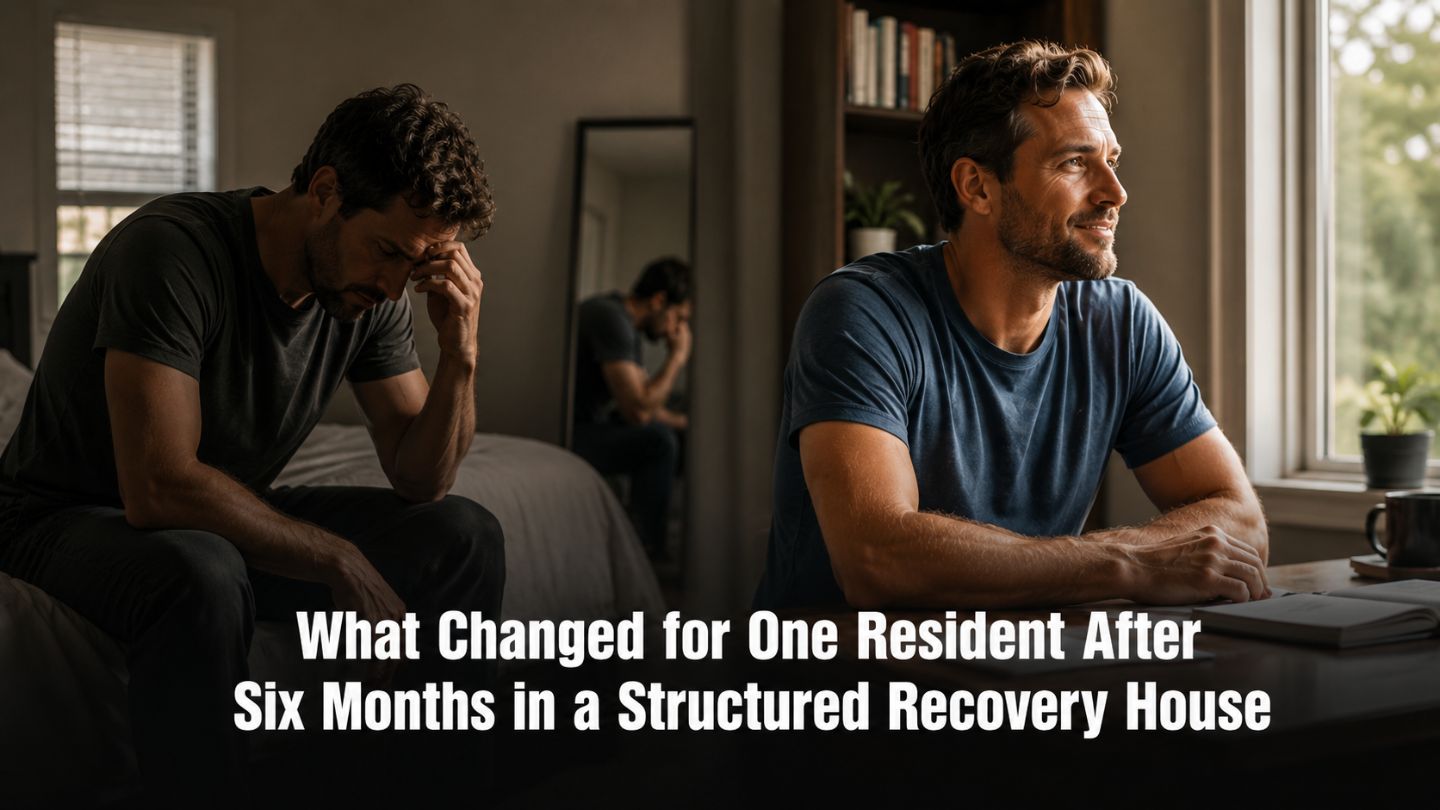

Navigating housing challenges can be overwhelming, especially when you’re searching for stability and a fresh start. Transitional housing programs in South Florida provide a structured and supportive path toward rebuilding independence and long-term security. However, understanding how to apply and what steps to follow can often feel confusing without the right guidance. This step-by-step guide to applying for transitional housing programs in South Florida is designed to simplify the process, helping you move forward with confidence. From eligibility to placement, you’ll discover how professional support can make your journey smoother, more organized, and ultimately more successful.
Before starting the application process, it is important to understand what transitional housing offers. Transitional housing provides temporary residence along with supportive services such as counseling, employment assistance, and life skills development. These programs are especially valuable for individuals recovering from difficult life situations, including housing instability, substance recovery, or financial hardship.
In South Florida, transitional housing programs are structured to help individuals move toward long-term housing solutions while maintaining stability and support. Unlike emergency shelters, transitional housing focuses on growth, structure, and long-term success. For many individuals, understanding how structured recovery housing supports reintegration can make the transition into a more stable and accountable living environment feel far more achievable.
Programs often work alongside broader housing systems, including public housing initiatives, fair housing regulations, and support from agencies like the Florida Housing Finance Corporation. Understanding this connection can help applicants see how transitional housing fits into the larger housing ecosystem.
Applying for transitional housing is not just about filling out forms. It involves meeting eligibility requirements, preparing documentation, and demonstrating readiness for structured living. Professional programs guide applicants through every stage, ensuring that nothing is missed and that each individual has the best chance of acceptance.
Experienced teams understand the complexities of the transitional housing application process in South Florida. They help applicants navigate requirements, avoid common mistakes, and align with program expectations. This level of guidance is especially important when dealing with programs connected to systems like housing choice vouchers or public housing pathways. Many applicants also feel more confident moving forward once common misunderstandings about structured housing programs are replaced with accurate, encouraging information.
The first step in the step by step process for transitional housing applications in South Florida is determining whether you meet the eligibility criteria. Each program has its own requirements, but most focus on individuals who are committed to personal development and stability.
Eligibility may consider factors such as current housing situation, income level, recovery status, or participation in structured programs. Some transitional housing programs also align with fair housing standards to ensure equal access and non-discriminatory practices.
Understanding your eligibility early helps you focus on the right programs and ensures that your application is both accurate and relevant.

Once eligibility is established, the next step is preparing the necessary documents. This stage is critical because incomplete or inaccurate documentation can delay or even prevent approval.
Applicants are typically required to provide identification, proof of income or financial status, background information, and sometimes references or program participation records. In some cases, documentation related to previous housing situations or connections to public housing systems may also be required.
Professional transitional housing providers assist applicants in organizing and verifying documents to ensure everything meets program standards. This support significantly improves the chances of a smooth and successful application process.
Filling out the application is a detailed process that requires accuracy and honesty. This is where many applicants benefit from guidance, as even small errors can lead to delays.
The application typically includes personal information, housing history, employment details, and a statement of intent or goals. Some programs may also include interviews or assessments as part of the evaluation process.
Understanding how to apply for transitional housing programs in South Florida means recognizing that this step is more than paperwork. It is an opportunity to present your commitment to stability and growth.
After submitting your application, most transitional housing programs conduct a screening process. This may include background checks, interviews, and evaluations to ensure that applicants are a good fit for the program.
The interview process is an important step in the complete guide to transitional housing application process in South Florida. It allows program coordinators to understand your goals, readiness, and commitment to the structure provided by transitional housing.
Professional programs prepare applicants for this stage by offering guidance on what to expect and how to communicate effectively. This preparation helps applicants present themselves confidently and authentically. For applicants in recovery, learning howhalfway houses provide a safe environment for men who must learn how to avoid drugs can also build confidence in the program.
Once the screening process is complete, applicants enter the approval stage. Depending on availability and program capacity, there may be a waiting period before placement.
During this time, staying connected with program coordinators is essential. They provide updates, guidance, and support while you wait for a placement opportunity. Transitional housing programs in South Florida are in demand, so patience and communication are key.
Many programs also coordinate with broader housing systems, including florida housing initiatives, to ensure that applicants are positioned for long-term success beyond transitional housing.
After approval, the next step is moving into the transitional housing facility. This marks the beginning of a structured and supportive journey toward stability.
Residents are typically required to follow program guidelines, participate in scheduled activities, and engage in personal development plans. These may include employment support, counseling, and life skills training. Program success often begins with understanding whether sober homes test for weed or other entheogenic plants and the accountability standards that help residents stay focused on long-term progress.
This stage is where transitional housing truly makes a difference. It provides not just a place to stay, but a pathway toward independence and long-term housing solutions.
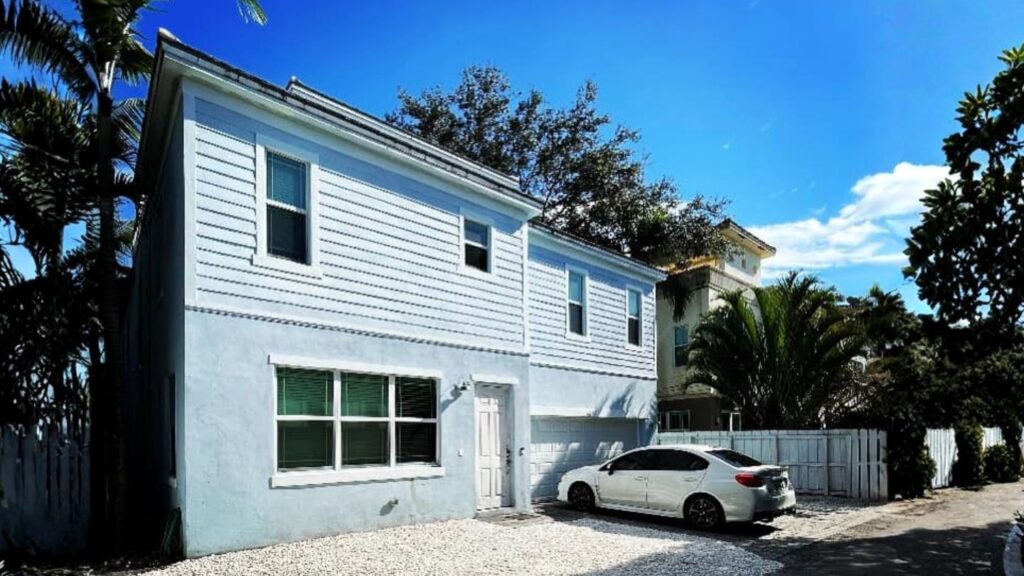
Transitional housing is an essential component of the housing landscape in South Florida. It works alongside programs like public housing and housing choice voucher systems to provide a continuum of care.
Organizations often collaborate with agencies such as the Florida Housing Finance Corporation to ensure that residents have access to resources and opportunities beyond their transitional stay. This integrated approach helps individuals move from temporary support to permanent housing with confidence.
Understanding this connection reinforces why transitional housing is such a valuable resource. It is not just a temporary solution, but a stepping stone toward lasting stability.
Preparation is key to making the most of a transitional housing program. Applicants who approach the process with commitment and readiness are more likely to succeed.
This includes being open to guidance, following program structures, and actively participating in all aspects of the program. Professional support plays a crucial role in helping residents stay on track and achieve their goals.
The beginner guide to applying for transitional housing in South Florida emphasizes that success starts even before the application is submitted. Being prepared, organized, and committed sets the foundation for a positive experience.
Not all transitional housing programs are the same. Choosing the right one can significantly impact your experience and outcomes.
Programs that offer structured support, experienced staff, and a clear pathway to independence provide the best environment for growth. They ensure that residents receive the guidance and resources needed to move forward successfully.
Working with a trusted provider ensures that you are not navigating the process alone. Professional expertise makes the journey smoother, more efficient, and more effective. Understanding the key differences between a halfway house and a sober living home can also help applicants choose a program that best aligns with their recovery goals, structure needs, and long-term vision.
pplying for transitional housing can feel like a major step, but with the right guidance and a clear understanding of the process, it can become a more confident and empowering experience. From checking eligibility and preparing documents to completing interviews and securing placement, each stage plays an important role in building a path toward greater stability, structure, and long-term success.
At Cleveland House, we are committed to providing supportive and structured transitional housing in South Florida for individuals seeking a safe environment and a stronger foundation for the future. Our program supports residents with a recovery-focused setting that values accountability, community, and personal growth through resources such as 12-step program participation, professional addiction treatment support, guidance for needs related to quick suboxone tapering, and a strong understanding of structured recovery housing, sober living in Boca Raton. Contact us today to take the next step toward a better tomorrow.