


Transitioning to a sober lifestyle requires more than abstaining from substances; it demands a complete realignment of daily habits, priorities, and mindset. Within a sober living home, structure and consistency become the foundation for sustainable healing. Building healthy routines not only helps maintain sobriety but also fosters stability, confidence, and a renewed sense of purpose. For residents striving for long-term recovery, the right environment and professional support make all the difference.
In early recovery, uncertainty can feel overwhelming. A structured routine helps residents create predictability and stability, key factors in preventing relapse. By establishing a schedule that balances therapy, work, self-care, and relaxation, individuals learn to navigate life without the chaos that often accompanies substance use.
In a sober living environment, daily structure also minimizes idle time, a major trigger for cravings or negative thinking. Residents who follow a consistent routine begin to replace unhealthy behaviors with positive habits that support both physical and mental health. Over time, these habits evolve into natural patterns that strengthen emotional resilience and discipline, critical for a successful recovery. Recognizing the impact of structure on relapse prevention is reinforced in how sober living homes help prevent relapse through structure and routine, which explores how consistency and accountability lay the groundwork for long-term sobriety.
Routine offers more than organization; it nurtures accountability and focus. In recovery, small daily wins like attending therapy sessions, maintaining cleanliness, or participating in group activities reinforce self-worth and motivation. The brain, accustomed to the unpredictability of addiction, thrives when it re-learns consistency.
Establishing structured routines also aids in managing triggers. When the mind and body adapt to consistent sleep patterns, balanced nutrition, and regular exercise, stress levels drop and emotional regulation improves. The result is a calmer mental state, better decision-making, and an increased capacity to handle challenges without reverting to old habits.

Creating a daily routine begins with intention and balance. A productive day in a sober living home often integrates personal reflection, social engagement, and healthy physical habits. While schedules vary depending on each individual’s recovery journey, the following framework promotes well-being and consistency.
Morning rituals set the tone for the day. Activities such as meditation, journaling, or light stretching create mental clarity and encourage focus. Mindfulness practices help residents connect with their emotions, identify cravings, and maintain awareness of their recovery goals.
Many individuals in sober living find it helpful to reflect on their progress daily. This practice cultivates gratitude and reinforces commitment to a sober lifestyle, especially during emotionally challenging moments.
Idle time can quickly become dangerous for those in early recovery. Scheduling purposeful tasks such as attending work, volunteering, or learning new skills promotes independence and responsibility. Engaging in meaningful activities also restores confidence lost during periods of addiction, helping residents rediscover their strengths and passions.
A structured daily routine should also include time for hobbies. Creative outlets like art, writing, or music encourage self-expression, while physical activities like hiking or yoga improve emotional balance. These hobbies become healthy replacements for previous destructive behaviors.
Physical wellness directly impacts emotional stability. Maintaining a balanced diet filled with nutritious meals supports mental health, energy, and focus; vital for residents in recovery. Many sober living homes encourage communal meals, where residents learn cooking skills, share responsibilities, and build camaraderie. Learning how to care for one’s body through nutrition is part of developing healthy habits that sustain long-term health and lasting sobriety.
Regular exercise plays a crucial role in addiction recovery. It releases endorphins, reduces anxiety, and improves mood; all essential for individuals overcoming cravings or emotional lows. Activities such as walking, swimming, or strength training encourage consistency and self-discipline. Exercise not only benefits the body but also provides structure, a sense of accomplishment, and improved overall well-being; key components of a successful recovery.
Therapeutic engagement remains a cornerstone of every sober living home. Attending therapy sessions, Alcoholics Anonymous meetings, or group discussions provides guidance, accountability, and emotional processing. Residents learn to identify triggers, build coping strategies, and strengthen relationships with others on similar paths. Through structured therapy, individuals gain perspective on their recovery journey and develop resilience that safeguards against relapse.
Recovery is not just about work; it’s also about rest and reflection. Allocating time for relaxation, through reading, deep breathing, or listening to calming music, helps restore balance. A healthy daily schedule includes moments of pause, allowing the mind to reset and focus on inner healing. This intentional rest cultivates patience and self-compassion, both essential for emotional growth and long-term sobriety.
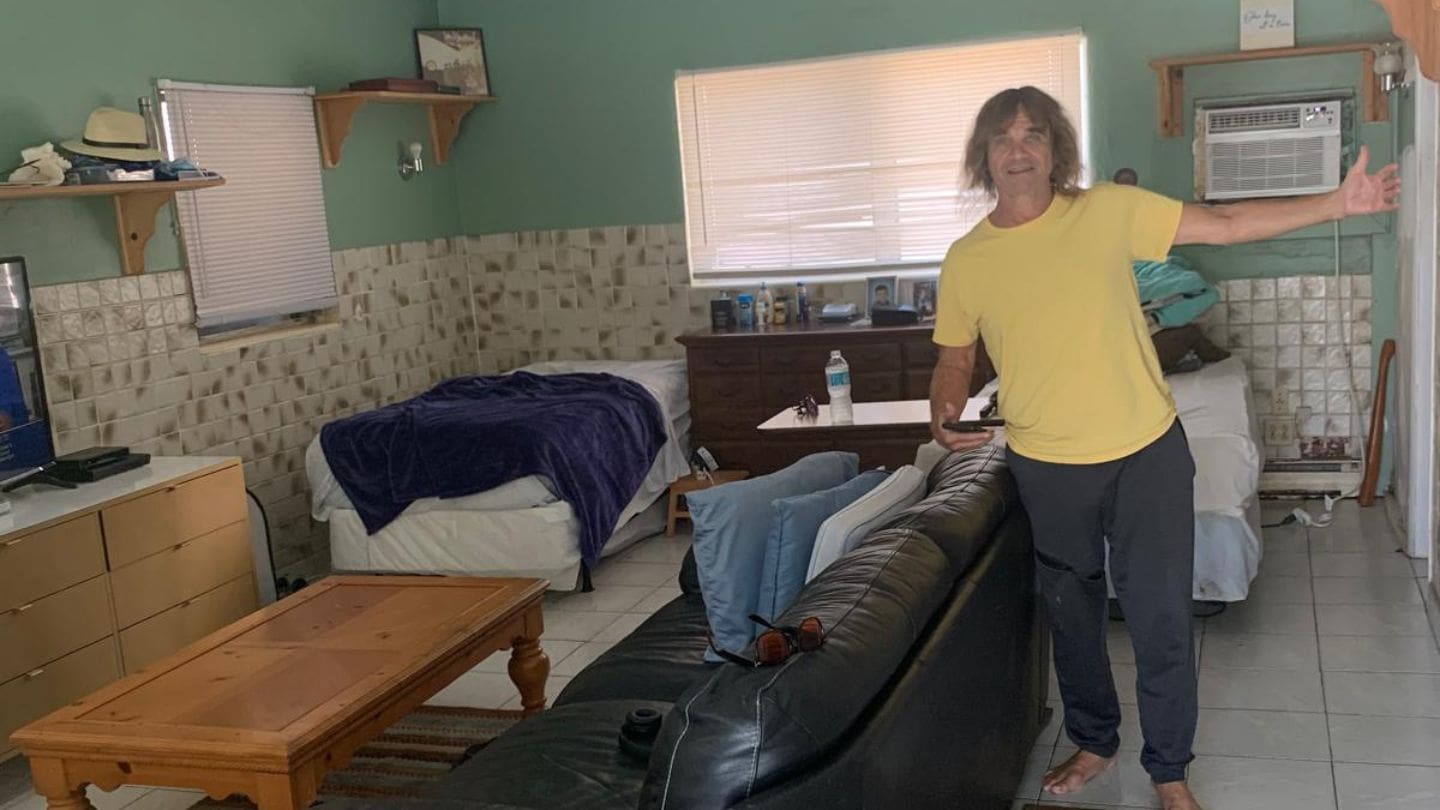
The success of building healthy routines in a sober living home depends largely on the environment. A compassionate, supportive environment fosters trust, accountability, and connection. In a space like this, residents feel safe expressing their struggles and victories, knowing they are not alone.
Professional oversight ensures that each resident’s daily routine aligns with their stage of recovery. Guidance from experienced staff helps maintain consistency, while peer support reinforces community and shared purpose. The importance of a positive environment becomes clearer by understanding how to choose the right sober living home in Coral Springs, emphasizing that a balanced atmosphere is crucial to rebuilding confidence and sustaining progress.
While structure is essential, adjusting to it can be difficult for new residents. Many arrive from unstable circumstances where chaos was the norm. The sudden expectation of order may feel uncomfortable at first. However, through persistence and support, these routines eventually bring freedom, not restriction.
Over time, residents learn to balance responsibilities with self-care, turning discipline into empowerment. Each day of consistency strengthens motivation and independence, building the foundation for long-term recovery and a fulfilling life beyond the sober living home.
Incorporating mindfulness practices, such as breathing exercises or guided meditation, teaches residents to observe their thoughts without judgment. This awareness helps manage emotions that could otherwise lead to relapse.
When mindfulness becomes part of the structured routine, individuals gain the ability to handle stress calmly, make thoughtful decisions, and maintain emotional stability. As the mind learns to respond rather than react, the capacity for lasting sobriety strengthens.
Routine directly influences mental health by reducing anxiety and promoting balance. Predictability eases the brain’s need for control, helping individuals feel grounded and secure. Structured days prevent negative thought cycles from dominating the mind and encourage proactive engagement with life. Understanding this connection aligns with insights from the psychology of sober living: why environment shapes long-term sobriety, which explores how surroundings play a pivotal role in emotional stability and recovery success.
By maintaining a healthy daily routine, residents experience improved mood, better sleep, and enhanced self-esteem. These mental health benefits create momentum for continuous growth throughout their recovery journey.
The true goal of sober living extends beyond the home; it prepares residents for independent living while maintaining healthy habits. The consistency learned during this stage transitions seamlessly into daily life outside. Whether it’s waking up early, exercising, or practicing mindfulness, these positive routines become lifelong assets.
When residents eventually move on, they take with them not only a renewed sense of purpose but also the practical tools to live confidently in a world filled with potential triggers. This balance of structure and independence is what transforms recovery into a sustained lifestyle of sobriety and self-mastery.
Attempting to navigate recovery without a professional structure can be overwhelming. A professionally managed sober living home ensures residents receive the supervision, therapy, and accountability necessary for consistent progress. Staff members tailor each resident’s experience to match their emotional, mental, and physical needs.
This guided approach reduces the risk of relapse and accelerates healing. Through professional monitoring, access to treatment, and peer support, residents discover a rhythm of life that sustains overall well-being and purpose-driven living.
Creating and maintaining healthy routines in a sober living home is essential to long-term success in recovery. Structured days filled with mindfulness, nutrition, therapy, and meaningful activity empower residents to build stability, resilience, and emotional balance. Every habit formed within this environment contributes to a stronger sense of identity, purpose, and confidence on the path to a fulfilling, substance-free life.
At The Cleveland House, residents experience a professionally guided and compassionate sober living home in Coral Springs that emphasizes structure, accountability, and community. Through personalized care and daily routines designed for growth, residents rediscover their independence and build the foundation for lasting sobriety. Begin your recovery journey with purpose and structure; contact us today to learn more about how a supportive sober living environment can help you rebuild your life with confidence.