Finding a safe and supportive environment after completing a residential treatment program is a critical step in addiction recovery. Sober living homes offer a transitional bridge between clinical care and independent living, helping individuals solidify their sobriety, build life skills, and avoid relapse triggers. In a city like Coral Springs, where the recovery community is growing, selecting the right sober living home isn’t just about availability; it’s about alignment with long-term recovery goals.
This blog explains how to choose the right sober living home in Coral Springs, what to look for, and how the right environment can shape your recovery journey.
Sober living homes, also known as recovery residences or transitional housing, serve individuals who have completed rehab but aren’t yet ready to return to their previous living situations. These homes provide structure, peer accountability, and a supportive environment that reinforces the foundations of recovery.
Unlike residential treatment centers, sober homes don’t offer clinical therapy on-site. Instead, they focus on helping residents build routines, maintain sobriety, and develop skills for independent living. This stage is crucial for preventing relapse and for strengthening the habits learned during treatment.
Coral Springs is an ideal location for sober living. Surrounded by vibrant recovery networks in Fort Lauderdale, Delray Beach, and Palm Beach, the city offers access to 12-step meetings, outpatient therapy, employment opportunities, and educational resources. Whether you’re transitioning from a drug rehab center or a sober living facility near Pompano Beach, Coral Springs provides a balanced mix of peace and accessibility.
For individuals looking for a more connected yet calm recovery setting, Coral Springs stands out among other South Florida cities. Its well-maintained neighborhoods and recovery-friendly atmosphere make it a solid choice for long-term healing.

Not all sober living homes are created equal. If you’re in early recovery, here are key factors to consider before choosing:
Look for sober living homes that are registered with the Florida Association of Recovery Residences (FARR) or meet standards set by the Florida Department of Children and Families. These certifications ensure that the home operates under ethical guidelines and provides a safe space for recovery.
Consistency is vital in recovery. A quality sober home should have clearly defined policies around curfews, chores, random drug testing, and meeting attendance. These structures help reinforce accountability while offering a sense of normalcy.
Programs affiliated with organizations like Alcoholics Anonymous often require daily or weekly participation in peer-support meetings. These expectations create a rhythm that supports long-term success.
The people you live with can have a profound impact on your sobriety. A strong, sober community creates a space where residents support one another through shared experiences. Ask questions about group dynamics, how conflict is handled, and whether alumni support is encouraged.
Recovery is a process of reclaiming autonomy. The right sober living environment provides both structure and freedom, allowing residents to work, attend school, or pursue personal development. If a home feels overly restrictive or lacks support for life skills development, it might not be the right fit.
Make sure the sober living home is upfront about all expenses, including deposits, monthly fees, drug testing, and transportation. Transparent pricing is a hallmark of a reputable program.
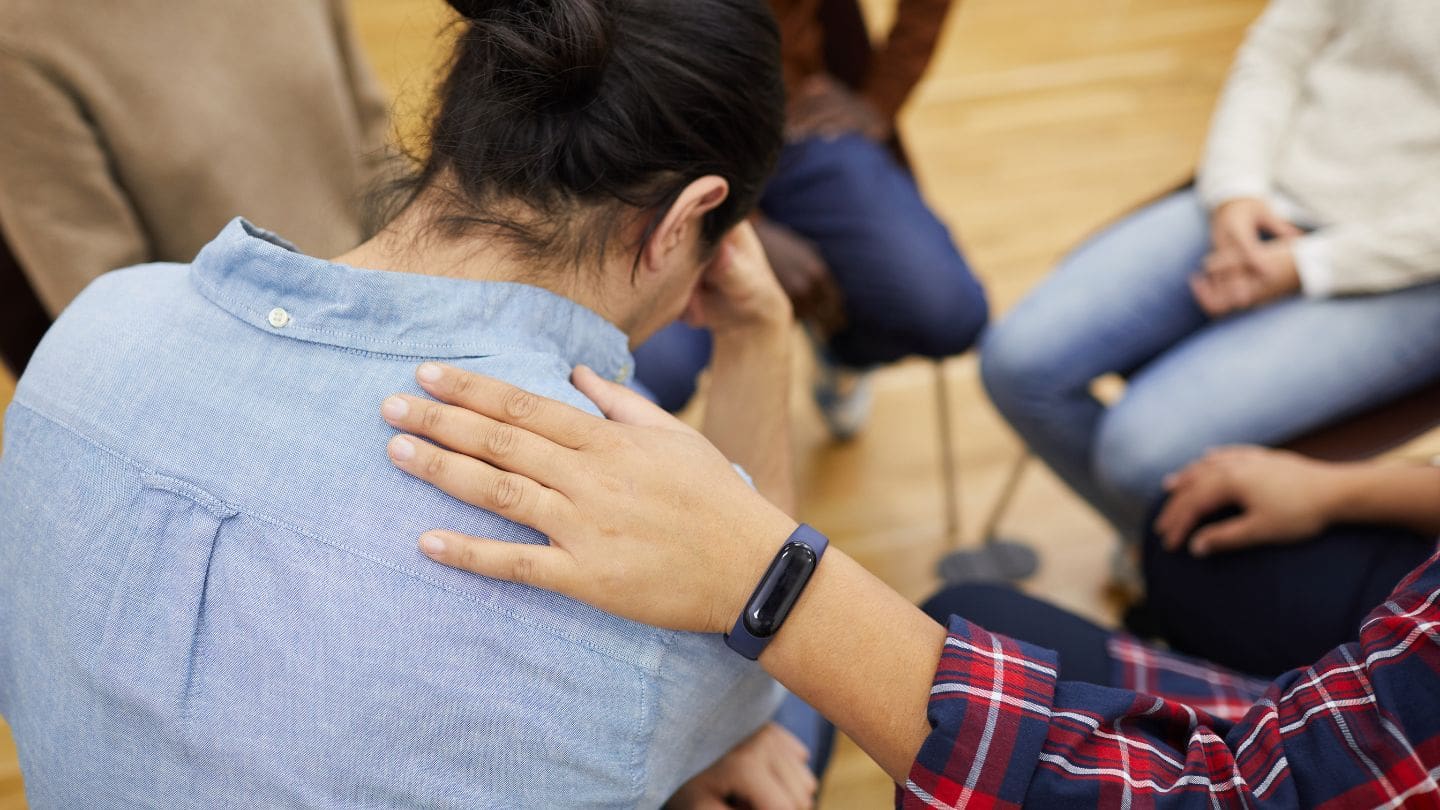
Choosing the right sober living home in Coral Springs involves more than checking boxes; it requires personal reflection. Do you need a home that emphasizes structure or one that encourages personal freedom? Are you comfortable in co-ed environments, or do you prefer gender-specific housing? Do you want proximity to your outpatient addiction treatment provider?
Ask these questions before committing. A recovery home that aligns with your personality and goals will enhance your journey rather than hinder it.
Highly rated sober homes in Coral Springs and West Palm Beach often share similar qualities:
The Cleveland House, for example, exemplifies many of these standards. As one of the long-standing names in sober housing in South Florida, it continues to support men through the toughest stages of their recovery journey.
Some homes may claim to offer sober living but function more like unregulated boarding houses. Watch out for the following:
A legitimate sober home will have clear rules, experienced staff, and a focus on maintaining a sober, safe, and healthy environment for everyone.
Living in a sober home isn’t just a phase; it’s a strategy for long-term recovery. Transitional housing supports the critical period between treatment and full independence, helping you build the resilience, responsibility, and confidence needed to stay sober in real life.
Whether you’re transferring from a residential treatment program or seeking support after a relapse, a structured living space provides more than just a roof; it offers an opportunity for true transformation.
If you’re searching for a safe, supportive place to continue your recovery journey, contact us to learn how our halfway house in Coral Springs can help. At Cleveland House, we offer a recovery-first, peer-driven environment designed to empower residents through accountability, structure, and purpose. Let us walk with you toward sustained sobriety. Your future starts now.