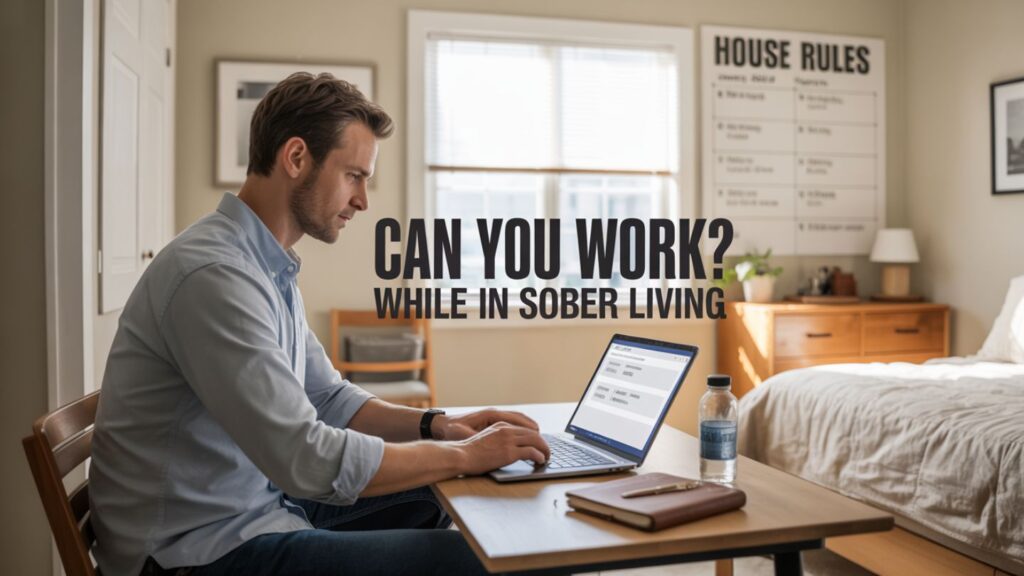


Recovery is a journey that involves rebuilding many aspects of life, including health, relationships, daily routines, and professional goals. For many individuals entering a sober living home, one common question often arises: can you work while living in a sober living home? The answer is yes. In fact, maintaining employment or pursuing work opportunities is often encouraged in sober living environments because it helps individuals develop stability, responsibility, and confidence during recovery.
Sober living homes are designed to support individuals who are transitioning from addiction treatment into a more independent lifestyle while maintaining sobriety. These structured living homes provide a supportive environment where residents can focus on their recovery while also rebuilding important life skills. Working while living in sober housing can be an important step in strengthening independence and supporting long-term recovery goals. Understanding how employment fits into life in a sober living home can help individuals feel more confident about balancing work responsibilities and recovery commitments.
A sober living home provides a structured environment for individuals who are committed to maintaining sobriety while transitioning back into everyday life. Unlike a traditional treatment facility, sober living homes are designed to offer greater independence while still maintaining accountability and support.
Residents living in a sober living house are expected to follow house guidelines that promote sobriety and personal growth. These guidelines help create a stable recovery environment where individuals can focus on rebuilding their lives while avoiding triggers that could interfere with progress. Living a sober lifestyle involves more than simply avoiding substance use, as it also includes building healthier habits, stronger relationships, and a stable daily routine that supports long-term recovery.
Living in sober living homes also encourages residents to participate in recovery-focused activities, maintain healthy routines, and build positive habits that support long-term recovery. Many individuals entering a recovery residence have recently completed addiction treatment and are looking for a supportive environment that allows them to gradually return to independent living. Because sober living housing emphasizes both structure and independence, employment often becomes an important part of daily life for many residents.
Many individuals entering sober living homes ask the question: can you work while in sober living? In most cases, employment is not only allowed but encouraged. Working while living in a sober living house helps residents rebuild responsibility and independence. Employment can provide financial stability, help establish daily structure, and encourage individuals to develop a sense of purpose while continuing their recovery journey.
Individuals who ask can I work while living in a sober living house are often reassured that sober living environments are designed to support real-world responsibilities. Residents are encouraged to pursue work, education, or career development opportunities while maintaining their commitment to sobriety. Work also provides opportunities to reconnect with society in meaningful ways. It helps individuals build confidence, develop professional skills, and strengthen the habits needed to maintain long-term recovery.
Another common concern is whether individuals can maintain their current employment while transitioning into sober living housing. Many people wonder, can you keep your job while in sober living? For many residents, continuing their current employment is possible while living in a sober living home. Sober living homes are designed to support individuals as they transition into independent living, which often includes maintaining work responsibilities.
Residents who already have employment may continue their work schedules while living in sober housing. The structured environment helps ensure that individuals balance their professional responsibilities with recovery commitments. Living homes typically provide flexibility that allows residents to maintain work hours while still participating in recovery activities and house responsibilities. This balance supports both personal development and long-term recovery goals.
Structure plays a key role in successful recovery. A sober living home provides daily routines that encourage stability and personal accountability. Residents living in sober homes often follow structured schedules that include work responsibilities, recovery meetings, house meetings, and personal wellness activities. These routines help reinforce discipline and create a balanced lifestyle.
For individuals asking can you work when living in sober housing, the answer often lies in this balance. Work becomes part of the structured routine that supports recovery. The environment plays a significant role in shaping long-term sobriety, as supportive surroundings and structured routines can positively influence mindset and recovery progress. Having a job also helps residents develop financial independence. Managing income, budgeting expenses, and maintaining employment are valuable life skills that strengthen the transition from recovery housing to fully independent living.

Sober living homes are designed to help residents succeed in multiple areas of life, including career development. Many recovery residences encourage residents to actively pursue employment opportunities as part of their recovery plan. Living in a recovery home allows individuals to focus on personal growth while receiving peer support from others who are also committed to recovery. This supportive environment helps residents stay motivated as they rebuild their lives. Many sober living homes also focus on personal growth and emotional healing, helping residents rebuild confidence and develop healthier coping strategies while working toward independence.
Residents may also benefit from guidance and encouragement as they pursue career goals or explore new employment opportunities. Developing a professional routine while living in sober housing helps individuals regain confidence and independence. The supportive structure of sober living homes helps residents maintain focus on both employment and sobriety.
While employment is encouraged, sober living homes also emphasize the importance of maintaining recovery commitments. Residents are typically expected to participate in recovery-related activities such as house meetings and support groups. These activities help reinforce accountability and ensure that residents remain focused on sobriety while balancing work responsibilities. Understanding how sober living homes help prevent relapse through structure and routine can reinforce accountability while helping residents balance work responsibilities and their recovery commitments.
The goal of sober living environments is to create a lifestyle where recovery and personal growth remain the top priorities while individuals gradually return to everyday responsibilities. Balancing work and recovery can strengthen resilience and help individuals maintain stability throughout their recovery journey.

One of the primary goals of sober living homes is to prepare residents for fully independent living. Working while living in sober housing helps individuals build the skills necessary for long-term success. Employment supports financial stability, encourages responsibility, and helps individuals rebuild their confidence as they transition back into society. These experiences play an important role in strengthening long-term recovery.
Living in sober living homes also helps individuals develop positive habits, healthy routines, and supportive relationships that reinforce sobriety. As residents continue their recovery journey, these experiences help prepare them for the next stage of independent living and long-term stability.
Working while living in a sober living home can be an important part of rebuilding stability, independence, and confidence during recovery. Sober living homes provide a supportive and structured environment where residents can balance employment with their commitment to sobriety. By maintaining a job or pursuing career opportunities, individuals can strengthen healthy routines, develop financial responsibility, and continue progressing in their recovery journey while living in a stable and supportive sober housing environment.
At Cleveland House, individuals seeking a supportive recovery environment can find programs designed to help residents maintain sobriety while rebuilding their lives. Those searching for sober living in West Palm Beach can benefit from structured recovery housing that encourages accountability, independence, and long-term stability. Residents may also strengthen their recovery through programs such as a 12-step program, comprehensive addiction treatment support, and additional recovery housing options, including sober living in Miami, FL, and Hollywood, FL, that provide safe and structured living environments for continued recovery. Contact us today to learn how our sober living programs can help you build a stable future and strengthen your recovery.