


Transitioning from formal treatment, incarceration, or other structured programs into everyday life is one of the most critical stages in the recovery journey. The right environment can mean the difference between sustained sobriety and falling back into old patterns. For many individuals, a halfway house offers the supportive environment they need to bridge the gap between treatment and fully independent living. But how do you know if living in a halfway house is right for you?
Making that decision requires self-reflection, an understanding of the available options, and clarity on what type of structure will best support your growth. Here, we explore six key factors to help determine whether a halfway house is a good option for you and why professional, structured living environments can be a vital step toward lasting recovery.
A halfway house, also known as a sober living home, recovery residence, or residential reentry center, is designed to help residents adjust to life outside of a treatment or correctional facility. It offers structure, accountability, and a sober living environment while allowing residents to gradually rebuild independence.
Unlike fully independent living homes, these residences have house rules, scheduled house meetings, and expectations for participation in recovery programs or work. Many also provide access to peer support, counseling, and resources for employment, education, and life skills training. For those wondering about flexibility, it’s important to understand whether you can leave a halfway house whenever you want, as every program has specific rules to ensure the stability and safety of its residents.
Whether you’re exiting a correctional facility, completing residential treatment, or looking for a supportive environment in early recovery, these communities can offer a stable foundation for lasting change.
One of the first questions to ask yourself is whether you should consider a halfway house at your current stage of recovery. These residences are particularly valuable for individuals who have completed formal treatment or served time in a federal halfway house or similar program and now need a bridge to independence.
In early recovery, temptations and triggers can feel overwhelming. A sober living facility provides a buffer between you and high-risk environments, while also reinforcing healthy routines. This setting allows residents to practice the coping strategies learned in treatment before managing the challenges of full independent living.
If you’re asking if a halfway house is right for you, consider whether you thrive in a structured setting. Sober living homes are designed with accountability in mind; there are curfews, chore schedules, mandatory house meetings, and regular check-ins.
This structure helps maintain a sober environment where residents can focus on sobriety without the distractions and instability of unsupportive living situations. The presence of peer support and staff guidance ensures that no one has to face recovery challenges alone. If communication and connection are important to you, you may also want to know if you can have a phone in a halfway house, as these policies can vary depending on the program’s guidelines.

A quality sober living community is not just about abstaining from substances; it’s about learning to live fully and independently. Many residents enter with gaps in essential life skills, such as managing finances, preparing healthy meals, or maintaining consistent employment.
In a halfway house, residents have the opportunity to develop these skills in a safe, supportive setting. You’ll gain the tools needed for reentry into the community while benefiting from mentorship and a network of others committed to recovery. These lessons are invaluable for sustaining stability long after leaving the program.
Every sober living house operates under clearly defined halfway house rules that support the collective well-being of the community. These may include maintaining sobriety, participating in recovery programs, contributing to chores, and attending house meetings.
For some, rules provide a sense of safety and order; for others, they feel restrictive. If you value accountability and understand the role of structure in recovery, then living in a halfway house can be an ideal fit. These rules are designed to help each resident stay focused on their goals while fostering a positive living environment.
Recovery thrives in community. Surrounding yourself with others who understand the journey helps you stay motivated and engaged. In a sober home, residents form meaningful bonds through shared experiences, mutual encouragement, and ongoing accountability.
Whether in an Oxford House, a recovery housing setting, or another type of living house, the camaraderie among peers creates a sense of belonging. For many, this recovery support network becomes a lifelong resource, one that continues to provide encouragement well beyond their stay.
Ultimately, the question of whether a halfway house is a good option for you comes down to whether it aligns with your long-term vision for life after treatment. Do you want to strengthen your life skills, improve your employment prospects, or deepen your involvement in the recovery community?
If so, a sober living facility can serve as the ideal launchpad. By reinforcing daily habits, providing a safe space for growth, and connecting you with resources, it helps ensure your recovery journey continues in the right direction.
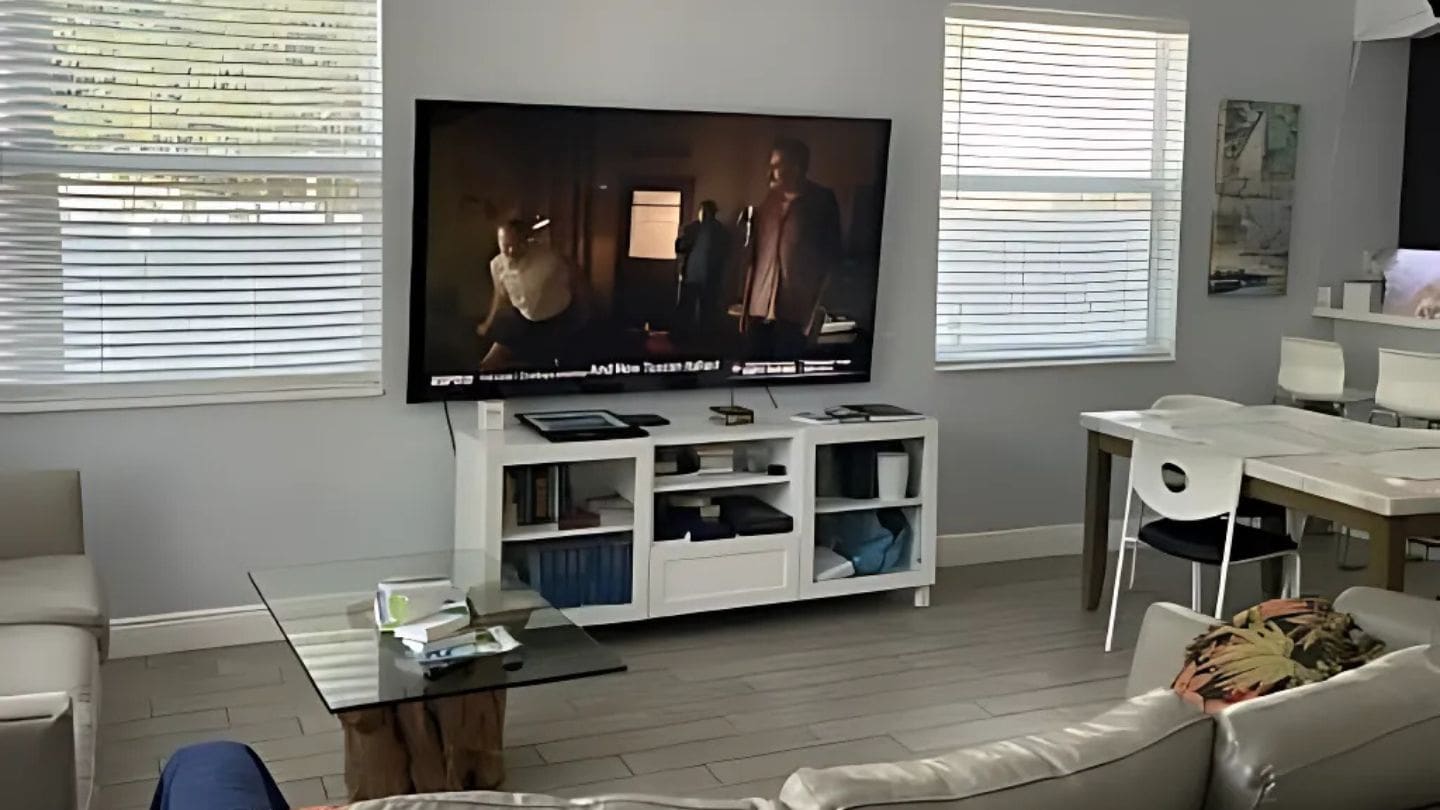
Not all halfway house placements are the same. A well-managed residence focuses on the holistic needs of its residents, offering individualized support while maintaining a strong sense of community. This includes access to recovery programs, mental health services, and opportunities for home confinement transition if applicable. In addition, understanding the importance of aftercare from a halfway home is crucial, as it ensures that the progress made during your stay is supported well into your independent living phase.
When considering halfway houses in Pompano Beach or other areas, it’s essential to choose one that prioritizes safety, structure, and personal growth. The right placement can make all the difference in building a sustainable life in recovery.
A sober living environment is more than a physical space; it’s a commitment to your future. The United States has many forms of transitional and supportive housing, but not all will offer the same level of care, accountability, and community.
In a reputable living house, residents gain access to programs that address both practical and emotional needs. From navigating the Second Chance Act opportunities to managing bipolar disorder or other co-occurring conditions, the focus remains on equipping each person for long-term success.
Read more: The Psychology of Sober Living: Why Environment Shapes Long-Term Sobriety
Your time in a recovery residence is an investment in yourself. Every day spent in a structured, supportive environment strengthens your ability to live independently, manage responsibilities, and maintain sobriety. The community, guidance, and resources available in a sober living home create a foundation for lasting stability.
By surrounding yourself with people who share similar goals, you reinforce your own commitment to recovery while contributing to the well-being of the entire household.
Deciding whether you should consider a halfway house is a personal decision that can shape your future in recovery. For many, it serves as the essential bridge between structured treatment and independent living, offering the stability, guidance, and community support needed to maintain lasting sobriety.
At Cleveland House, we provide a safe and supportive environment tailored to help residents thrive. Our structured programs, peer support network, and focus on personal growth make us a trusted choice for those seeking halfway houses in Pompano Beach. With our dedicated team and proven approach, we guide individuals toward building strong foundations for a successful and sober future. Contact us today and take the next step toward your recovery journey.
